How to Build a Business That Can Survive Economic Challenges

Running a business is not always easy. Changes in the economy can affect customer spending, operating costs, supply chains, access to financing, and overall business performance.
For businesses in Nigeria, challenges such as rising operating costs, changing customer purchasing power, inflation, and market uncertainty can make business planning particularly important.
A strong business is not one that never experiences difficulties. It is one that can adapt, manage its resources carefully, and continue providing value when conditions become challenging.
Building a resilient business requires preparation during both good and difficult periods.
1. Understand Your Business Numbers
A business owner should know exactly how the business is performing financially.
Keep track of:
Revenue.
Expenses.
Profit.
Cash flow.
Outstanding debts.
Customer payments.
Supplier costs.
Monthly operating expenses.
You cannot effectively manage a business if you do not understand where your money is coming from and where it is going.
2. Protect Your Cash Flow
Cash flow is critical to business survival.
A business can make sales and still experience financial difficulties if customers delay payments while expenses continue to accumulate.
Monitor money coming into the business and money going out. Follow up on outstanding payments and avoid unnecessary delays in collecting money owed to the business.
3. Control Unnecessary Expenses
When economic conditions become difficult, businesses should review their expenses carefully.
Separate essential expenses from costs that can be reduced, postponed, or eliminated.
This does not mean cutting every expense. Some investments are necessary for maintaining quality and serving customers.
The goal is to spend strategically.
4. Avoid Unnecessary Debt
Debt can help a business expand, purchase equipment, or manage important investments. However, excessive borrowing can become a major burden when revenue declines.
Before taking a loan, consider:
The total repayment amount.
Interest and other charges.
Monthly repayment obligations.
Expected return on the investment.
Whether the business can continue repayments if sales decrease.
Borrow only when the purpose and repayment plan are clear.
5. Understand Your Customers
Customer needs can change during difficult economic periods.
People may become more careful about what they spend and may prioritize essential products and services.
Pay attention to customer behavior and understand what they value most.
A business that understands its customers can adjust its products, services, pricing, and communication more effectively.
6. Provide Real Value
When customers have limited money to spend, they become more selective.
Your business should clearly demonstrate why customers should choose you.
Focus on quality, reliability, convenience, customer service, and solutions that address genuine needs.
Do not rely entirely on low prices. A business can compete by providing better value and a more reliable experience.
7. Diversify Your Revenue
Depending on only one source of income can make a business vulnerable.
Where appropriate, consider additional products, services, customer groups, or revenue channels.
For example, a business that traditionally serves only one customer segment may be able to expand into another market without abandoning its existing customers.
Diversification should be carefully planned rather than done simply for the sake of adding more products.
8. Build Strong Customer Relationships
Existing customers can become an important source of stability.
Treat customers well, provide reliable service, respond to complaints, and maintain good communication.
Satisfied customers are more likely to return and recommend your business to others.
Customer loyalty can help reduce the pressure of constantly having to find new customers.
9. Maintain a Strong Business Reputation
A good reputation can become one of your most valuable business assets.
Be honest with customers, deliver what you promise, communicate when problems occur, and handle complaints professionally.
During difficult economic periods, customers often prefer businesses they already trust.
10. Build an Emergency Reserve
Businesses should prepare for unexpected situations.
Where possible, maintain a financial reserve that can help cover essential expenses during periods of reduced revenue.
The size of the reserve will depend on the type and size of the business, but even a modest reserve can provide valuable breathing room.
11. Build Strong Supplier Relationships
Suppliers play an important role in business continuity.
Maintain professional relationships with reliable suppliers and communicate clearly about orders, payments, delivery schedules, and changing business conditions.
Where practical, avoid depending entirely on a single supplier for critical products or materials.
12. Review Your Pricing Regularly
Economic conditions can affect the cost of materials, transportation, rent, salaries, and other operating expenses.
If your costs increase significantly while your prices remain unchanged, your profit margin may gradually disappear.
Review your pricing regularly and make adjustments when necessary.
However, price increases should be carefully considered and communicated clearly to customers.
13. Invest in Your Employees
Employees are an important part of business resilience.
Train your team, communicate expectations clearly, and create an environment where employees understand the business goals.
A skilled and motivated team can help a business improve efficiency, serve customers better, and respond to challenges.
14. Improve Operational Efficiency
Look for ways to reduce waste and improve how the business operates.
Review processes regularly and ask:
Where are we wasting money?
Where are we losing time?
Which processes can be improved?
Which activities create the most value?
Which tasks can be simplified?
Improving efficiency can help a business reduce costs without necessarily reducing the quality of its products or services.
15. Do Not Stop Marketing
When money becomes tight, some businesses immediately stop marketing.
Reducing unnecessary marketing expenses may be reasonable, but completely disappearing from the market can make it harder to attract customers when conditions improve.
Focus on marketing activities that produce measurable results and communicate the value your business provides.
16. Adapt to Changing Market Conditions
A business model that worked several years ago may not work exactly the same way today.
Pay attention to changes in customer behavior, competition, regulations, costs, and market conditions.
Be willing to adjust your strategy when necessary.
Adaptability can make the difference between a business that continues growing and one that struggles to survive.
17. Avoid Expanding Too Quickly
Growth is exciting, but rapid expansion can create financial pressure.
Before opening another location, hiring significantly more employees, purchasing expensive equipment, or adding new product lines, make sure the business can support the additional costs.
Sustainable growth is often better than expansion that creates unnecessary financial risk.
18. Keep Accurate Records
Accurate records help business owners make better decisions.
Keep proper records of sales, expenses, inventory, customers, suppliers, employees, and financial transactions.
Good records also make it easier to identify problems before they become serious.
19. Have a Backup Plan
Every business should consider what it would do if something unexpected happened.
Think about possible risks such as:
A major customer leaving.
A supplier becoming unavailable.
A sudden increase in operating costs.
Reduced customer demand.
Equipment failure.
Unexpected financial obligations.
Creating contingency plans can help you respond more quickly when problems occur.
20. Focus on Long-Term Sustainability
Do not make every business decision based on immediate profit.
Consider whether your decisions will strengthen the business over the long term.
A sustainable business should be able to serve customers effectively, manage its finances responsibly, retain good employees, and adapt as circumstances change.
Conclusion
Economic challenges are unavoidable, but businesses can prepare for them.
Understand your numbers, protect cash flow, control unnecessary expenses, manage debt carefully, understand your customers, maintain strong relationships, and remain willing to adapt.
Most importantly, build your business on real customer value rather than depending on favorable economic conditions.
A resilient business is not necessarily the biggest business. It is a business that understands its market, manages its resources responsibly, prepares for uncertainty, and continues to provide value when circumstances change.
At Bomon Technologies, we believe that sustainable business growth requires good planning, efficient operations, and the ability to adapt. Whether you are starting a small business or growing an established company, building resilience today can help your business remain competitive and prepared for tomorrow.
💬 Comments
No comments yet. Be the first to comment!
← Back to Blog📚 Related Articles
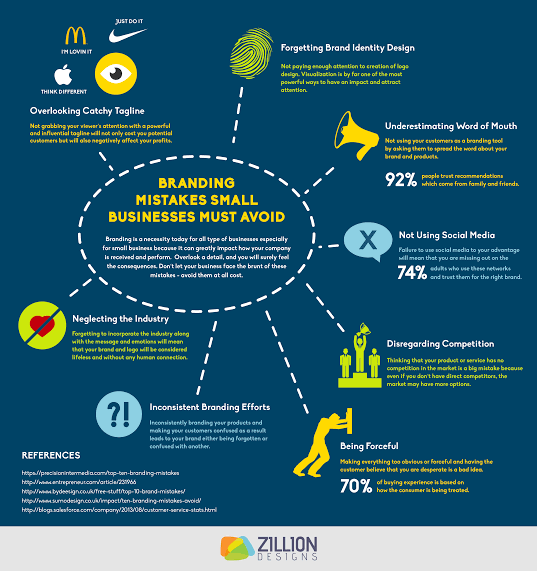
7 Common Mistakes Small Business Owners Make That Cost Them Customers
7 Common Mistakes Small Business Owners Make That Cost Them CustomersGetting customers is one thing....
Read More →
How Small Businesses Can Attract More Customers Without Spending a Fortune
How Small Businesses Can Attract More Customers Without Spending a FortuneRunning a small business i...
Read More →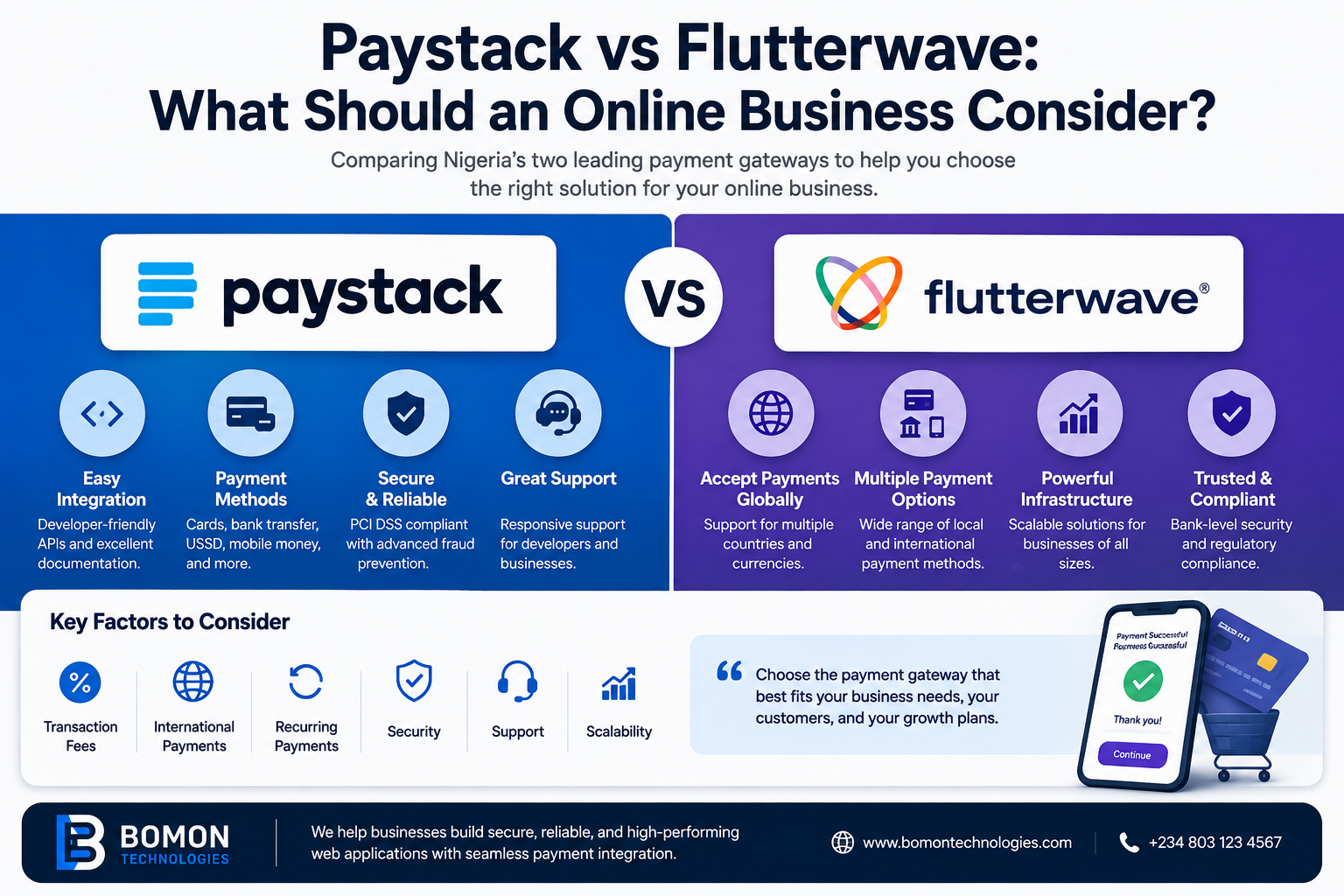
Paystack vs Flutterwave: What Should an Online Business Consider?
Running an online business requires a reliable way to receive payments from customers. Whether you o...
Read More →
How to Become More Disciplined
Discipline is not about being perfect or forcing yourself to work every minute of the day. It is the...
Read More →
How to Manage Your Money on a Monthly Income
Managing money can be challenging, especially when monthly expenses continue to increase. Whether yo...
Read More →
Restaurant Ordering Systems: How They Improve Business Operations
A restaurant ordering system is more than just an online menu. It can become a central platform conn...
Read More →