When Your Marriage Is Sick: 15 Warning Signs You Should Never Ignore
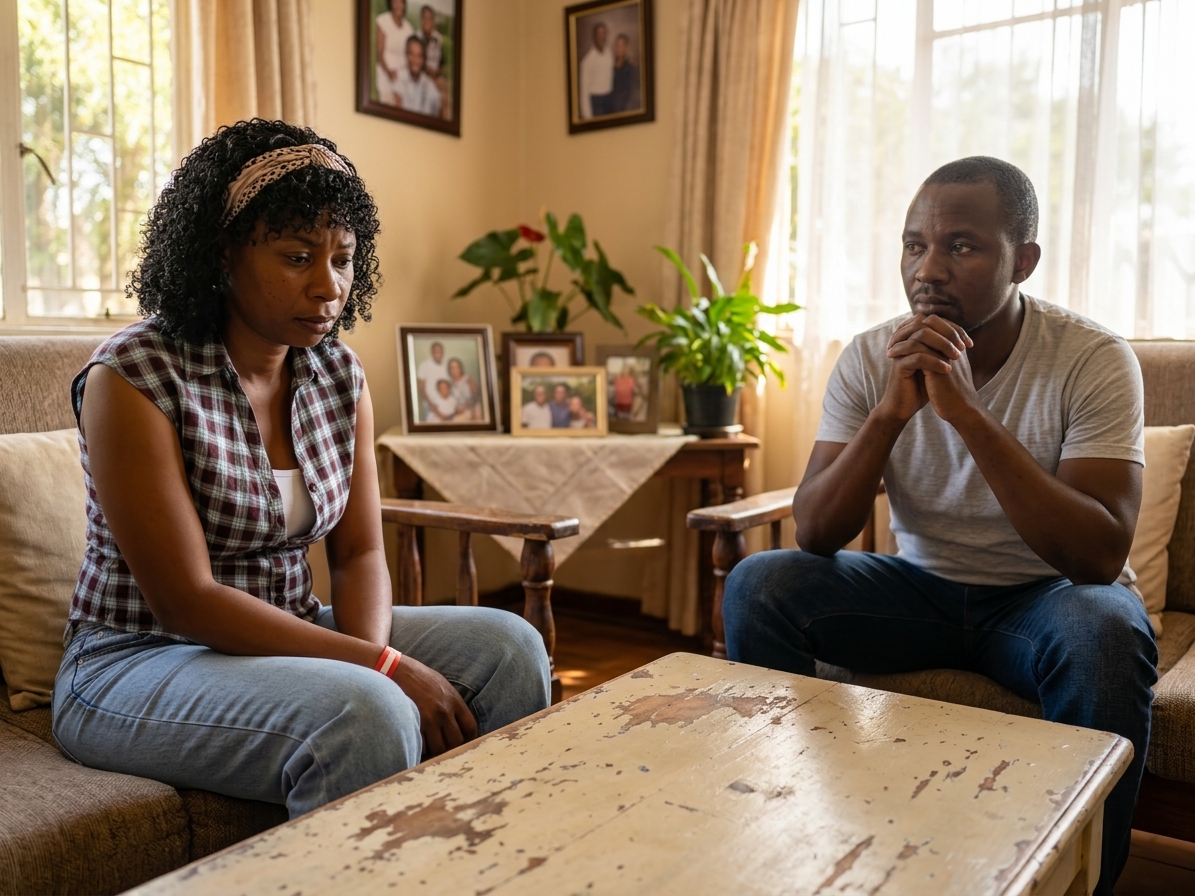
When Your Marriage Is Sick: 15 Warning Signs You Should Never Ignore
Just as a sick body begins to show symptoms, a marriage that is struggling also begins to show warning signs. These signs may appear gradually, and if they are ignored for too long, small problems can develop into serious marital crises.
A marriage does not necessarily collapse in a single day. Sometimes, the breakdown begins with little things that couples dismiss, excuse or refuse to address.
Recognising these symptoms early can help couples understand what is happening in their relationship and decide what needs to change.
1. Communication Begins to Die
One of the earliest symptoms of a troubled marriage is the breakdown of communication. Couples who once shared their thoughts, dreams, concerns and daily experiences may gradually stop talking meaningfully.
Conversations become limited to household responsibilities, children, money or other practical matters. One or both partners may no longer feel comfortable sharing their emotions.
When communication dies, misunderstandings grow, and emotional distance begins to develop.
2. You Become Strangers Under the Same Roof
You may still live together, sleep in the same house and attend family functions together, yet feel emotionally disconnected.
There is little affection, meaningful conversation or genuine interest in each other's lives. You may know what your spouse does every day without knowing what they are feeling.
Living together is not the same as being emotionally connected.
3. Small Issues Constantly Become Big Arguments
When a marriage is struggling, even minor disagreements can trigger serious arguments. A simple question may be interpreted as an accusation, and a harmless comment may lead to hours of hostility.
Sometimes, the real problem is not the issue being discussed but the resentment that has accumulated over time.
4. Respect Begins to Disappear
Insults, humiliation, mockery, contempt and constant criticism can gradually destroy the respect that sustains a marriage.
When a spouse repeatedly speaks to the other as though they are worthless, the relationship becomes emotionally damaging.
Disagreements are normal in marriage, but disrespect should never become the normal language of the home.
5. Secrecy Replaces Openness
You begin noticing unexplained secrecy around phones, money, friendships, movements or important decisions.
Privacy is healthy, but persistent deception that undermines trust may indicate a serious problem.
Rather than assuming the worst, couples should seek honest conversations about the changes they have noticed.
6. Affection and Intimacy Disappear
The hugs become fewer. The thoughtful messages stop. Compliments disappear, and physical or emotional intimacy declines.
Changes in intimacy can have many causes, including stress, illness, medication, unresolved conflict or changing personal needs. The warning sign is not simply a change in frequency, but a persistent disconnection that neither partner is willing to discuss or address.
7. Your Spouse Becomes Emotionally Unavailable
When something good happens to you, your spouse shows little interest. When you are struggling, you feel alone. Your concerns are dismissed, and your feelings are treated as unimportant.
Over time, you may stop sharing your problems because you no longer expect understanding or support.
A healthy marriage should provide room for both partners to be heard.
8. Financial Secrecy and Irresponsibility Increase
Money is one of the areas where marital problems can become visible.
Warning signs may include hidden debts, unexplained spending, financial dishonesty or refusal to discuss household responsibilities.
A lack of financial skills can also create repeated conflict when couples fail to budget, save or agree on priorities.
9. You Begin to Seek Emotional Fulfilment Outside Your Marriage
You may find yourself sharing your deepest feelings with someone outside the marriage while deliberately withholding them from your spouse.
Friendships outside marriage are not automatically harmful. However, when secrecy, romantic attachment or inappropriate intimacy begins to replace the emotional connection between spouses, boundaries may be breaking down.
10. You Constantly Compare Your Spouse With Other People
You begin focusing on what other husbands or wives provide, how they look, how much they earn or how they treat their partners.
Instead of addressing your concerns constructively, you increasingly view your spouse as inadequate.
Unhealthy comparisons can create resentment and make it difficult to appreciate the positive qualities that remain in the relationship.
11. Apologies No Longer Lead to Change
Your spouse repeatedly apologises, promises to change and behaves differently for a short period, only for the same harmful behaviour to return.
Mistakes can happen in any marriage. However, when apologies become a substitute for accountability, trust gradually weakens.
A genuine apology should be accompanied by consistent efforts to change.
12. You Stop Working as a Team
Decisions that once involved both partners are now made individually. You no longer plan together, support one another's goals or approach family challenges as a united team.
The relationship begins to feel like a competition in which each person is trying to protect their own interests rather than build a shared future.
13. Resentment Replaces Forgiveness
Old arguments are repeatedly brought into new disagreements. Past mistakes become weapons, and neither partner seems willing to move toward resolution.
Forgiveness does not mean pretending that harm never occurred. It means addressing the harm constructively rather than allowing resentment to control every new interaction.
14. You Feel More Peaceful When Your Spouse Is Away
You may notice that the home feels calmer when your spouse is absent and tense when they return.
This can be a sign of unresolved conflict, emotional exhaustion or a relationship in which one or both partners no longer feel comfortable.
If you feel afraid of your spouse because of threats, intimidation or violence, the issue goes beyond ordinary marital conflict. Your safety should come first.
15. You No Longer Care About Repairing the Marriage
Perhaps the most concerning symptom is emotional resignation.
You stop raising important concerns because you believe nothing will change. You stop expecting affection, honesty or support. You may continue fulfilling your responsibilities while privately withdrawing from the relationship.
This does not automatically mean the marriage is beyond repair, but it suggests that the underlying problems need serious attention.
What Should You Do When You Notice These Symptoms?
Recognising warning signs is only the first step. The next step is deciding how to respond.
Acknowledge the problem: Do not ignore repeated patterns simply because you want to maintain appearances.
Communicate honestly: Discuss what you have noticed without relying on insults, accusations or threats.
Accept responsibility: Each spouse should examine their own behaviour instead of focusing exclusively on the other person's mistakes.
Seek professional help: A qualified marriage counsellor may help couples understand recurring conflicts and develop healthier communication.
Set appropriate boundaries: Love does not require accepting dishonesty, humiliation or harmful behaviour.
Prioritise safety: Where abuse or violence is involved, seek appropriate support and do not assume that reconciliation must come before safety.
Can a Sick Marriage Become Healthy Again?
A sick marriage does not always mean a dead marriage. Some relationships can recover when both partners recognise the problems, accept responsibility and commit to meaningful change.
However, problems rarely improve simply because they are ignored. Healing requires honesty, patience, accountability and consistent effort from both partners.
Where only one spouse is willing to work on the relationship, progress may be limited. No one can rebuild a marriage entirely alone.
Conclusion: A Sick Marriage Needs Attention
Just as people pay attention to persistent symptoms in their bodies, couples should pay attention to persistent warning signs in their relationships.
The question is not only, "What is wrong with my marriage?" It is also, "What are we willing to do to make it healthy again?"
A marriage worth preserving deserves attention, honesty, respect and consistent effort—not merely the appearance of happiness.
Do not ignore the symptoms. Address the problems, seek help when necessary and remember that a healthier marriage begins with recognising that something needs to change.
💬 Comments
No comments yet. Be the first to comment!
← Back to Blog📚 Related Articles

The Importance of Continuous Personal Development
Personal development is not something that ends when you graduate from school or get a job. Life con...
Read More →
Should Couples Discuss Money Before Marriage?
Marriage brings two people together to build a life, and financial decisions are an important part o...
Read More →
The Pain of Helping Everyone While Nobody Helps You
The Pain of Helping Everyone While Nobody Helps YouHave you ever been the person everybody remembers...
Read More →
The Struggle of Being Misunderstood
The Struggle of Being MisunderstoodHave you ever tried so hard to explain yourself, yet somehow your...
Read More →
Fighting Battles Nobody Knows About
Not every battle comes with visible wounds. Not every struggle announces itself, and not every perso...
Read More →
Who Do You Call Your Friend? Who Is the Third Person in Your Marriage?
Marriage is designed to bring two people together to build a life, share responsibilities, make deci...
Read More →