Who Do You Call Your Friend? Who Is the Third Person in Your Marriage?
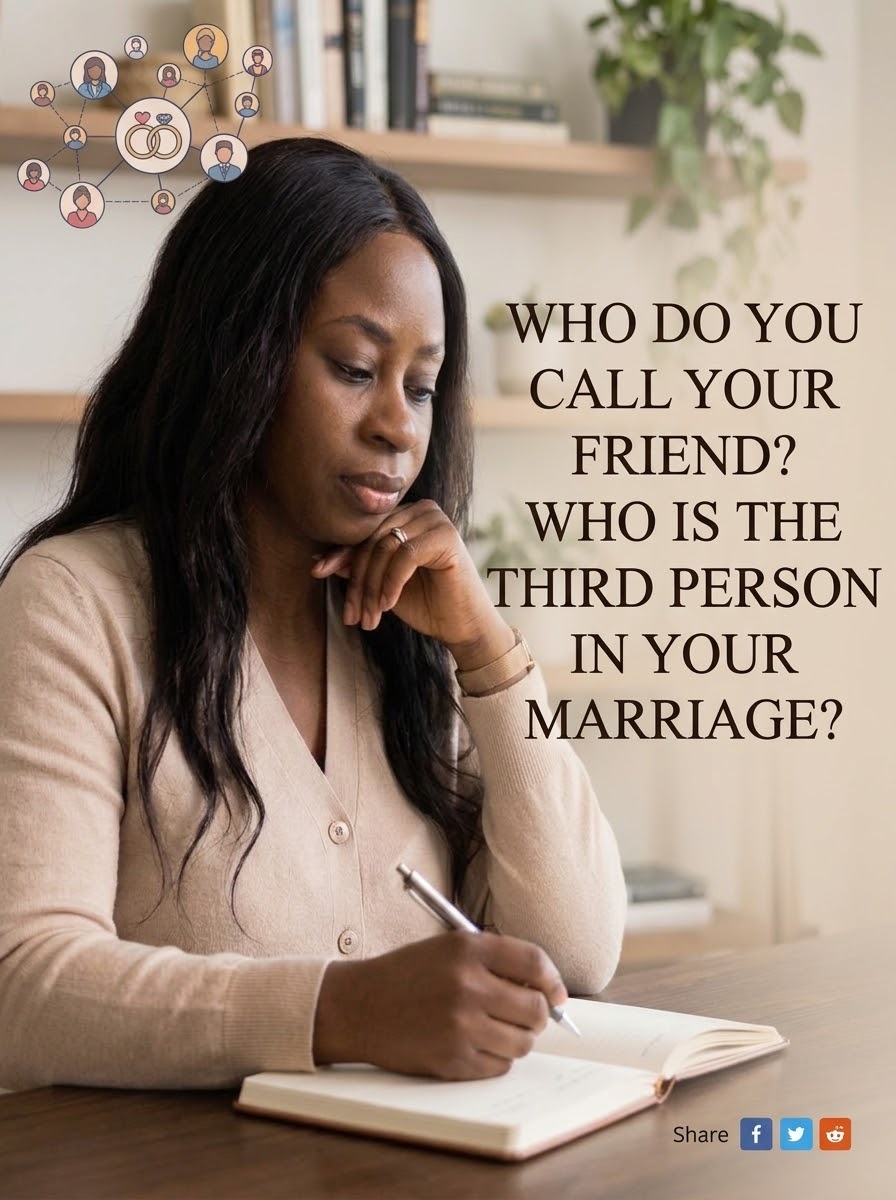
Marriage is designed to bring two people together to build a life, share responsibilities, make decisions and experience companionship. However, not every challenge in marriage comes from the husband or wife. Sometimes, the influence of another person gradually enters the relationship and begins to affect the connection between the couple.
That person may be a close friend, parent, sibling, colleague, former boyfriend or girlfriend, or even someone who claims to have the couple's best interests at heart.
The important question is: Who do you call your friend, and what position does that friend occupy in your marriage?
Friendship is important. Having people you can talk to, learn from and receive encouragement from is healthy. Marriage should not isolate anyone from genuine friendships. However, there must be boundaries between friendship and marital intimacy.
A friend should not gradually become the person who knows everything about your marriage while your spouse becomes the last person to know what is happening in your life.
Let's examine how outside relationships can influence a marriage.
1. Who Do You Really Call Your Friend?
Not everyone who laughs with you, visits you, gives you advice or agrees with your opinions is necessarily a good friend.
A genuine friend should want to see you grow, make responsible decisions and maintain healthy relationships.
A good friend does not deliberately encourage you to disrespect your spouse, abandon your responsibilities or make decisions that could destroy your marriage.
Consider these questions:
Does this friend respect your marriage?
Does this person encourage you to resolve disagreements peacefully?
Can you trust this person with private information?
Does this friend constantly speak negatively about your spouse?
Does this person encourage secrecy between you and your partner?
Does this friendship make you a better spouse or create unnecessary conflict?
Friendship should add value to your life, not become a source of continuous tension in your marriage.
2. Who Is the Third Person in Your Marriage?
When people hear about a third person in marriage, they often think of infidelity. However, a third person does not always have to be a romantic partner.
Sometimes, the third person is a friend who has too much influence over marital decisions.
It could also be:
A parent: A husband or wife who allows a parent to control decisions that should be discussed and made by the couple.
A sibling: Someone who constantly interferes in disagreements, finances or private family matters.
A close friend: Someone who receives every detail of the couple's arguments and gradually becomes more emotionally important than the spouse.
An ex-partner: Someone with whom one spouse maintains an emotionally intimate connection without appropriate boundaries.
A colleague: Someone at work who gradually becomes the person's primary emotional companion.
An outside romantic interest: Someone who receives attention, affection and intimacy that should be protected within the marriage.
The problem is not simply that these people exist. The problem begins when their involvement weakens the trust, privacy and unity of the marriage.
3. When Friendship Becomes Emotional Infidelity
Infidelity is not always physical.
Sometimes, emotional intimacy develops outside marriage in ways that gradually exclude the spouse.
For example, a married person may begin sharing personal struggles with a particular friend, discussing intimate marital issues, seeking emotional comfort from that person and hiding the depth of the relationship from their spouse.
Over time, the outside person may become the first person they call when something happens, the person whose opinion matters most and the person they look forward to speaking with.
Meanwhile, communication with their spouse becomes limited.
This can create emotional distance even when no physical affair has occurred.
Emotional closeness outside marriage is not automatically wrong, but secrecy, romantic attachment, deception and the displacement of the marital relationship can become serious problems.
4. The Danger of Taking Every Marital Problem Outside
One common mistake couples make is discussing every disagreement with friends and family members.
You may be angry with your husband today and decide to tell your closest friend everything he did wrong.
Tomorrow, you may reconcile with your husband, but your friend may still remember the incident and continue to judge him.
This can create a difficult situation.
Your spouse may have apologised, changed and moved forward, but the people you told may continue to hold on to the negative image you created.
This does not mean you should suffer in silence or hide serious problems. Seeking support is sometimes necessary.
However, be intentional about whom you consult.
Choose people who are mature, trustworthy, discreet and genuinely interested in helping you find a healthy solution.
For serious marital challenges, a qualified marriage counsellor or appropriate professional may be more helpful than repeatedly seeking opinions from friends.
5. When Family Members Begin to Control Your Marriage
Family relationships are important, and marriage does not mean abandoning parents or siblings.
However, getting married requires a healthy adjustment in priorities and boundaries.
There is a difference between respecting your parents and allowing them to make every decision concerning your marriage.
There is also a difference between listening to your siblings and allowing them to determine how you treat your spouse.
A married couple should learn to make decisions together.
Family advice can be valuable, but it should not automatically become an instruction that overrides the agreement of the husband and wife.
Your family can support your marriage without controlling it.
6. Stop Comparing Your Spouse With Your Friends' Partners
Comparison is another way outside relationships can damage marriages.
You may constantly hear how another woman's husband buys her expensive gifts, takes her on holidays or gives her money.
A man may also compare his wife with another woman because of her appearance, cooking, financial contribution or behaviour.
Such comparisons can create dissatisfaction and resentment.
Every marriage has its own circumstances, strengths, responsibilities and challenges.
Instead of using another person's relationship as a standard for judging your spouse, discuss your expectations directly.
Your marriage needs understanding and cooperation, not continuous competition with other couples.
7. Healthy Boundaries With Friends of the Opposite Sex
Having friends of the opposite sex does not automatically mean someone is unfaithful.
However, marriage requires transparency, wisdom and mutual respect.
Some boundaries couples should consider include:
Avoiding secretive conversations that would reasonably damage trust.
Not sharing intimate marital details with someone who may develop romantic feelings.
Avoiding flirtatious communication.
Being honest about friendships that have become emotionally complicated.
Respecting agreed boundaries concerning private meetings and communication.
Never using friendship as an excuse to maintain an inappropriate emotional relationship.
These boundaries should apply fairly to both partners.
The purpose is not to control one another but to protect trust and respect.
8. Your Spouse Should Not Have to Compete With Your Friends
One of the painful experiences in marriage is feeling less important than everyone else in your partner's life.
Imagine a husband who has time to spend hours talking to his friends but rarely has meaningful conversations with his wife.
Or a wife who discusses her feelings and personal experiences with everyone except her husband.
The issue is not that they have friends. The issue is that the marriage is no longer receiving the attention it needs.
Your spouse should have a meaningful place in your emotional life.
Make time for conversations, companionship, affection and shared decisions.
Healthy friendships should complement marriage, not compete with it.
9. Who Should Have Access to Your Marital Secrets?
Privacy is important in marriage.
Not every disagreement, financial matter, intimate experience or personal weakness should become public information.
However, privacy should never become an excuse to conceal abuse, threats, serious financial deception or other harmful behaviour.
There is a difference between protecting your spouse's dignity and hiding a problem that requires intervention.
When seeking advice, consider whether the person is trustworthy and whether sharing the information is necessary.
Ask yourself:
Am I seeking genuine guidance or simply looking for people to agree with me?
Will sharing this information help resolve the problem?
Can this person maintain confidentiality?
Am I exposing my spouse unnecessarily?
Would professional counselling be more appropriate?
Choose wisdom over the temporary satisfaction of telling everyone your side of the story.
10. How Can Couples Protect Their Marriage?
Protecting a marriage requires intentional effort from both partners.
Here are some practical steps:
1. Communicate openly: Talk about your feelings, expectations, concerns and disappointments before they become major problems.
2. Establish boundaries: Agree on what is acceptable in friendships, family involvement and communication with former partners.
3. Protect your privacy: Avoid making every marital disagreement a public discussion.
4. Make decisions together: Do not allow outsiders to become the final authority over your marriage.
5. Build emotional intimacy: Make your spouse someone you can talk to, laugh with and confide in.
6. Choose your friends wisely: Maintain friendships with people who respect your relationship and encourage healthy decisions.
7. Seek professional help when necessary: Do not allow pride or fear of public opinion to prevent you from getting appropriate support.
8. Maintain accountability: Both partners should be willing to examine their behaviour, acknowledge mistakes and make necessary changes.
Remember that boundaries should never be used to isolate a spouse from supportive relationships or prevent someone from seeking help when they are unsafe.
Final Thoughts: Who Is the Third Person in Your Marriage?
Marriage does not require you to abandon your friends, stop relating with your family or live without outside support.
However, it requires you to understand the difference between friendship and marital intimacy.
Your friends can advise you, encourage you and support you through difficult moments. Your family can offer wisdom and assistance. But neither should take over the responsibilities, decisions and emotional connection that belong to the marriage.
Sometimes, the third person in a marriage is not someone sleeping with your spouse. It is someone who has gradually gained more influence, access and emotional importance than the relationship can comfortably accommodate.
Before blaming an outsider, couples should also examine their own communication, trust and emotional availability.
A healthy marriage needs two committed partners, honest communication and boundaries that protect the relationship.
Do not allow the people outside your marriage to become more important to its survival than the two people inside it.
Questions for Reflection
Should a married person discuss every marital disagreement with their closest friend?
Where should couples draw the line between friendship and emotional infidelity?
Is it appropriate for parents to have the final say in decisions concerning a married couple?
Can a friendship destroy a marriage without involving physical intimacy?
What boundaries should married couples establish with friends of the opposite sex?
How can couples maintain healthy friendships without neglecting their marriage?
Remember: Your marriage needs support from others, but it should not be controlled by others.
💬 Comments
No comments yet. Be the first to comment!
← Back to Blog📚 Related Articles
Silence in Marriage: Causes, Consequences and Solutions – The Hidden Marriage Killer
Silence in Marriage: Causes, Consequences and Solutions – The Hidden Marriage KillerMarriage is expe...
Read More →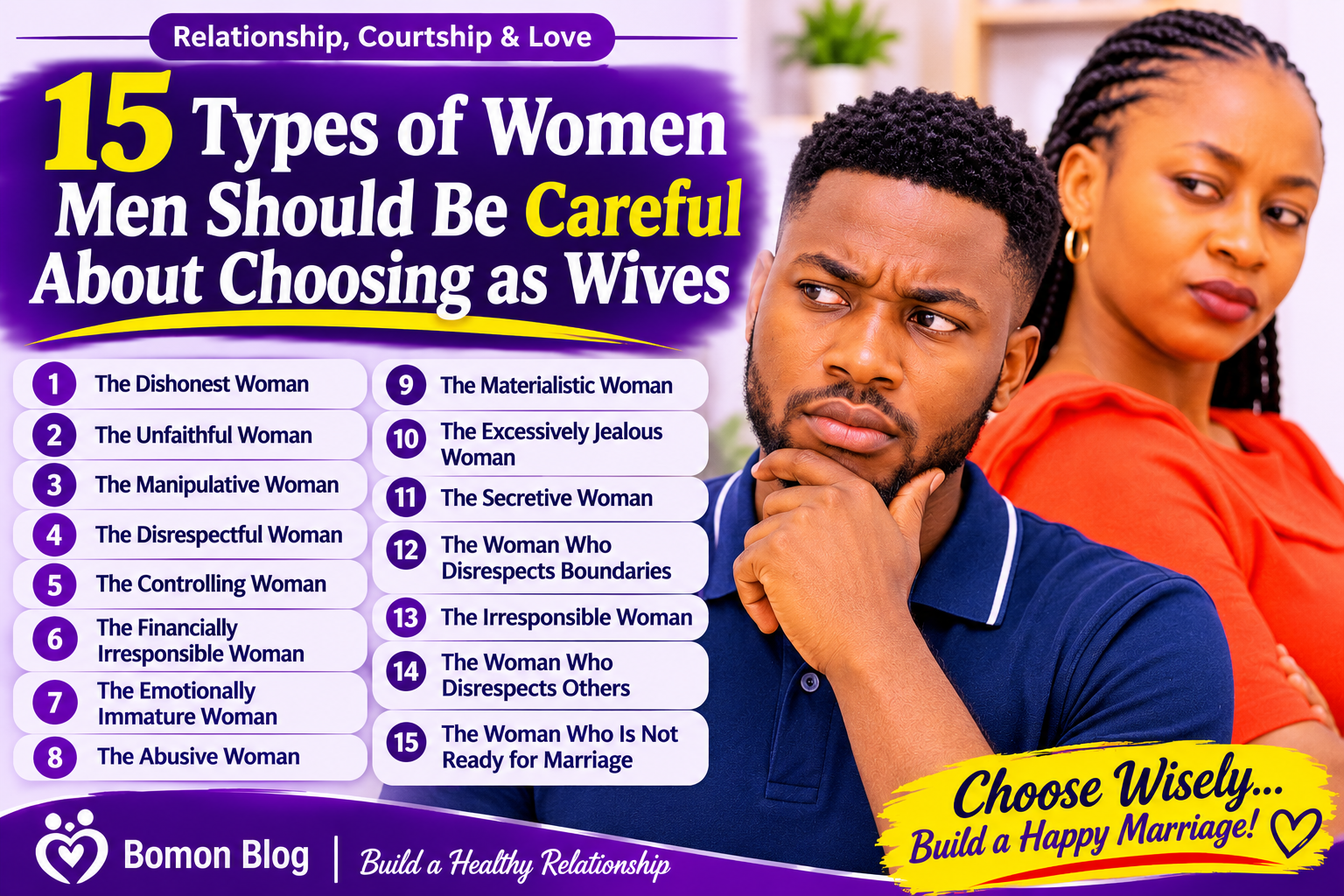
15 Types of Women Men Should Be Careful About Choosing as Wives
15 Types of Women Men Should Be Careful About Choosing as WivesMarriage is one of the most significa...
Read More →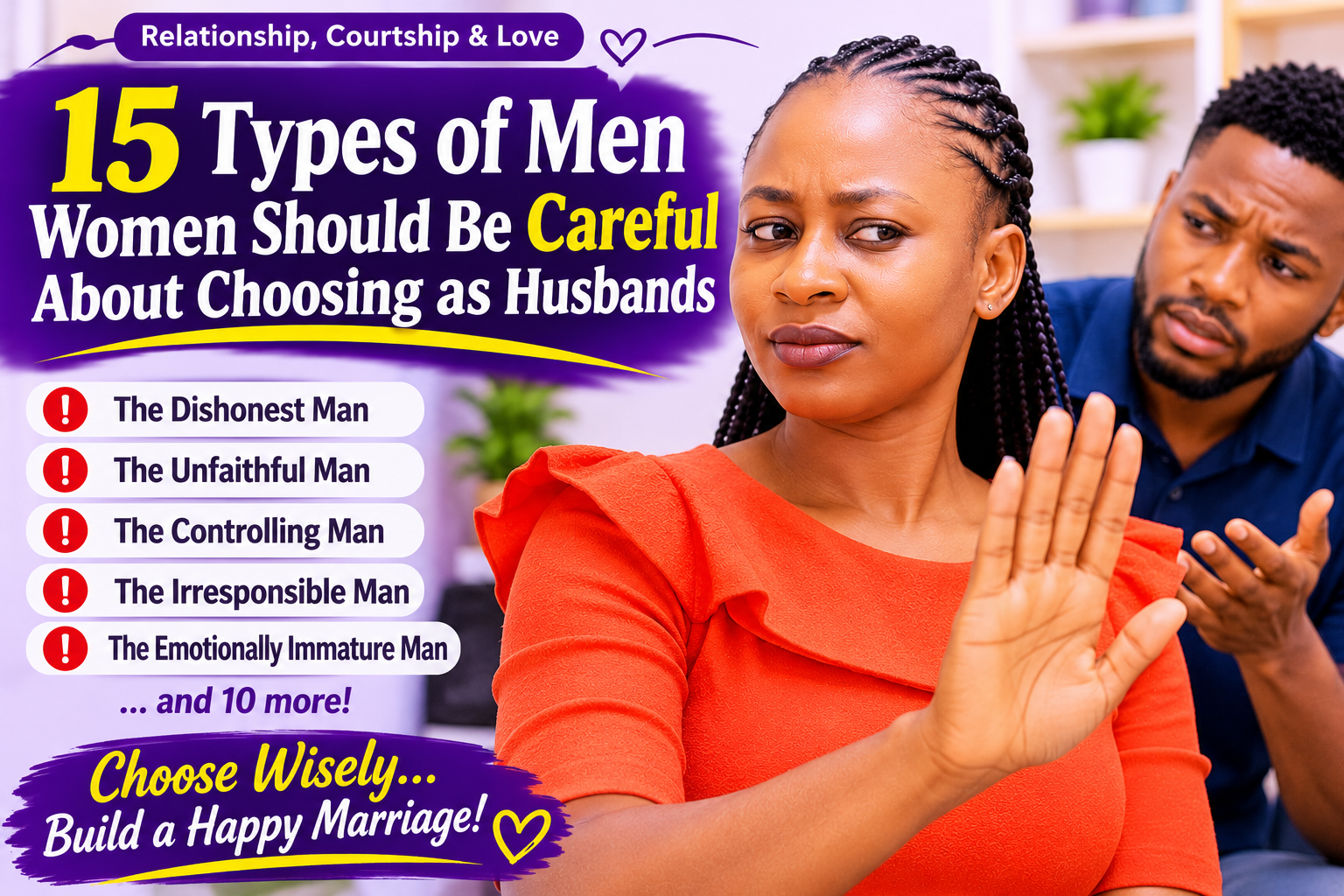
15 Types of Men Women Should Be Careful About Choosing as Husbands
15 Types of Men Women Should Be Careful About Choosing as HusbandsMarriage is more than falling in l...
Read More →
When “We’ll Stop” Stops Working: Why Couples Cross Their Own Sexual Boundaries
Relationships built on clear values often run into a frustrating paradox: decision-making is clear i...
Read More →
7 Essential Topics Couples Must Discuss Before Marriage (Beyond Physical Intimacy)
Entering a life-long partnership is one of the most exciting milestones standard in adult life. Whil...
Read More →
When a Couple Has Already Had Sex Before Marriage: What Next?
Finding yourselves in a position where you have crossed physical boundaries before marriage—or soone...
Read More →