Causes of Promiscuity in Marriage: Covetousness, Financial Irresponsibility and Other Contributing Factors

Causes of Promiscuity in Marriage: Covetousness, Financial Irresponsibility and Other Contributing Factors
Marriage is built on commitment, trust, faithfulness and mutual respect. When a spouse engages in sexual relationships outside the marriage, the consequences can be devastating. Infidelity can cause emotional pain, destroy trust, create family conflict and threaten the stability of the relationship.
Promiscuity generally refers to engaging in sexual relationships with multiple partners, often without an exclusive commitment. In the context of marriage, it may involve repeated sexual relationships outside the marital commitment.
Understanding the factors that may contribute to such behaviour can help couples recognise potential risks and take steps to protect their marriages. Two important factors worth examining are covetousness and a lack of financial management skills.
1. Covetousness
Covetousness is an excessive desire for what belongs to another person. In marriage, it may involve desiring another person's spouse, lifestyle, wealth or perceived happiness instead of appreciating and nurturing one's own relationship.
A covetous person may continually compare their spouse with others and become dissatisfied with what they have. This dissatisfaction can create opportunities for temptation when someone outside the marriage offers attention, gifts, money or excitement.
Contentment does not mean ignoring genuine problems in a marriage. Rather, it means avoiding the destructive habit of measuring one's relationship against other people's lives while making responsible efforts to improve the marriage.
2. Lack of Financial Management Skills
Financial responsibility is an important aspect of family life. Poor budgeting, uncontrolled spending, financial dependence and an inability to distinguish needs from wants can place pressure on individuals and relationships.
In some circumstances, a person who lacks financial independence or money-management skills may become vulnerable to inappropriate relationships with people offering financial assistance, expensive gifts or material benefits.
However, financial hardship does not automatically lead to infidelity. The concern arises when financial vulnerability is combined with poor boundaries, dishonesty or a willingness to compromise marital commitments for material gain.
Couples can reduce financial tension by developing a realistic budget, discussing financial goals, practising transparency and learning to manage their resources responsibly.
3. Greed and Materialism
An excessive desire for money, luxury and material possessions can lead someone to prioritise personal gain over marital loyalty.
When expensive gifts, financial benefits or a luxurious lifestyle become more important than honesty and commitment, a person may be tempted to pursue relationships for material advantage.
A healthy marriage requires an understanding that personal worth and marital happiness are not measured solely by wealth or possessions.
4. Lack of Self-Control
Self-control helps individuals manage impulses, sexual desires and emotional reactions. Without it, a person may repeatedly make decisions that provide immediate gratification while disregarding long-term consequences.
Maintaining faithfulness requires conscious choices, responsible behaviour and a willingness to avoid situations that threaten the marital commitment.
5. Lack of Contentment
Constant comparison with other people can create unnecessary dissatisfaction. Someone may begin to believe that another person's spouse is more attractive, wealthy, romantic or successful.
Such comparisons can weaken appreciation for one's partner and encourage unrealistic expectations.
Couples can cultivate contentment by recognising one another's strengths, expressing appreciation and addressing areas of dissatisfaction through honest conversation.
6. Poor Moral Boundaries
Secretive communication, inappropriate intimacy, flirtation and relationships that gradually become emotionally or sexually compromising can put a marriage at risk.
Healthy boundaries do not require spouses to avoid every friendship with someone of the opposite sex. Instead, they require honesty, respect and awareness of situations that may undermine trust.
7. Peer Pressure and Negative Influences
Friends and social circles can influence how people view marriage and fidelity. When unfaithfulness is treated as normal, admirable or harmless, a person may become less concerned about its consequences.
Choosing supportive friendships and maintaining personal values can help protect a marriage from unhealthy influences.
8. Emotional Disconnection
Persistent loneliness, unresolved resentment and poor communication may leave spouses feeling distant from each other.
In some cases, a person may seek attention or emotional intimacy outside the marriage rather than address the underlying problems. Although emotional disconnection can contribute to vulnerability, it does not excuse infidelity.
Both partners should be willing to discuss their concerns and seek appropriate help when communication becomes difficult.
9. Entitlement and Selfishness
A sense of entitlement may lead someone to believe that personal desires are more important than a spouse's feelings or the promises made during marriage.
Such an attitude can undermine mutual respect and make a person less willing to accept responsibility for harmful choices.
A healthy marriage requires consideration for both partners and an understanding that individual freedom does not remove the responsibility to honour shared commitments.
10. Lack of Accountability
Repeated dishonesty, blame-shifting and unfulfilled promises can make unfaithful behaviour more difficult to address.
Accountability involves acknowledging wrongdoing, accepting its consequences and demonstrating a genuine commitment to change. Where trust has been damaged, apologies must be supported by consistent and responsible actions.
11. Unresolved Marital Conflict
Frequent arguments, resentment and the refusal to address serious disagreements can weaken emotional connection.
When couples do not learn healthy ways to manage conflict, they may become increasingly distant. Honest communication, mutual respect and professional counselling can help address recurring problems.
Nevertheless, marital conflict is not an excuse for betrayal. Each spouse remains responsible for their decisions.
12. Opportunity Without Appropriate Boundaries
Workplace relationships, social gatherings and online communication can create opportunities for inappropriate intimacy when boundaries are ignored.
Opportunity alone does not cause infidelity. The important factors are the choices people make, the boundaries they maintain and their commitment to honesty.
Couples can discuss reasonable expectations concerning privacy, friendships, social media and interactions that may affect trust.
How Can Couples Protect Their Marriage?
Preventing infidelity requires more than suspicion or control. Couples can strengthen their relationship through deliberate, healthy practices.
Practise contentment: Appreciate your spouse while working together to improve areas of concern.
Develop financial skills: Budget wisely, discuss financial decisions and avoid unnecessary material pressure.
Maintain healthy boundaries: Be mindful of relationships and situations that could compromise trust.
Communicate honestly: Discuss concerns before resentment becomes deeply rooted.
Accept responsibility: Acknowledge mistakes and make meaningful changes.
Seek help when necessary: Marriage counselling or trusted spiritual guidance may help couples address persistent difficulties.
Nurture the relationship: Make time for affection, companionship, shared goals and meaningful conversations.
Conclusion
Promiscuity and sexual unfaithfulness in marriage may be associated with several factors, including covetousness, greed, poor financial management, lack of self-control, unhealthy boundaries and unresolved relationship difficulties.
Covetousness can encourage dissatisfaction with one's spouse, while poor financial skills may increase vulnerability to material pressures. Neither factor automatically leads to infidelity, and neither removes personal responsibility for one's choices.
A healthy marriage is strengthened by contentment, financial wisdom, honesty, self-discipline, respect and mutual commitment. When difficulties arise, couples should seek to address the underlying problems rather than allow secrecy, resentment or betrayal to deepen the damage.
Faithfulness is not sustained by love alone; it also requires responsible choices, clear boundaries and a daily commitment to honour the marriage.
💬 Comments
No comments yet. Be the first to comment!
← Back to Blog📚 Related Articles
Who Do You Call Your Friend? Who Is the Third Person in Your Marriage?
Marriage is designed to bring two people together to build a life, share responsibilities, make deci...
Read More →
Silence in Marriage: Causes, Consequences and Solutions – The Hidden Marriage Killer
Silence in Marriage: Causes, Consequences and Solutions – The Hidden Marriage KillerMarriage is expe...
Read More →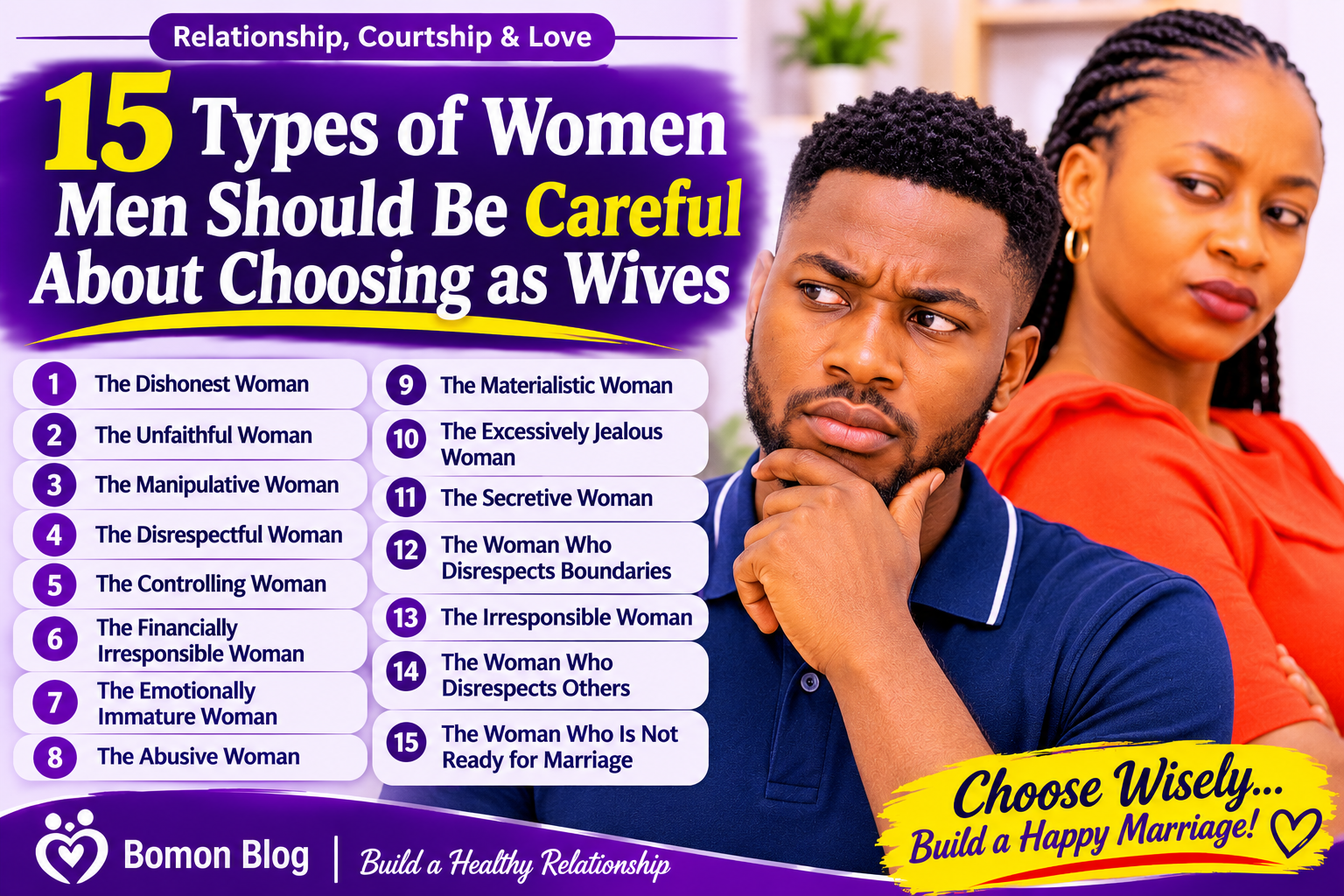
15 Types of Women Men Should Be Careful About Choosing as Wives
15 Types of Women Men Should Be Careful About Choosing as WivesMarriage is one of the most significa...
Read More →
15 Types of Men Women Should Be Careful About Choosing as Husbands
15 Types of Men Women Should Be Careful About Choosing as HusbandsMarriage is more than falling in l...
Read More →
When “We’ll Stop” Stops Working: Why Couples Cross Their Own Sexual Boundaries
Relationships built on clear values often run into a frustrating paradox: decision-making is clear i...
Read More →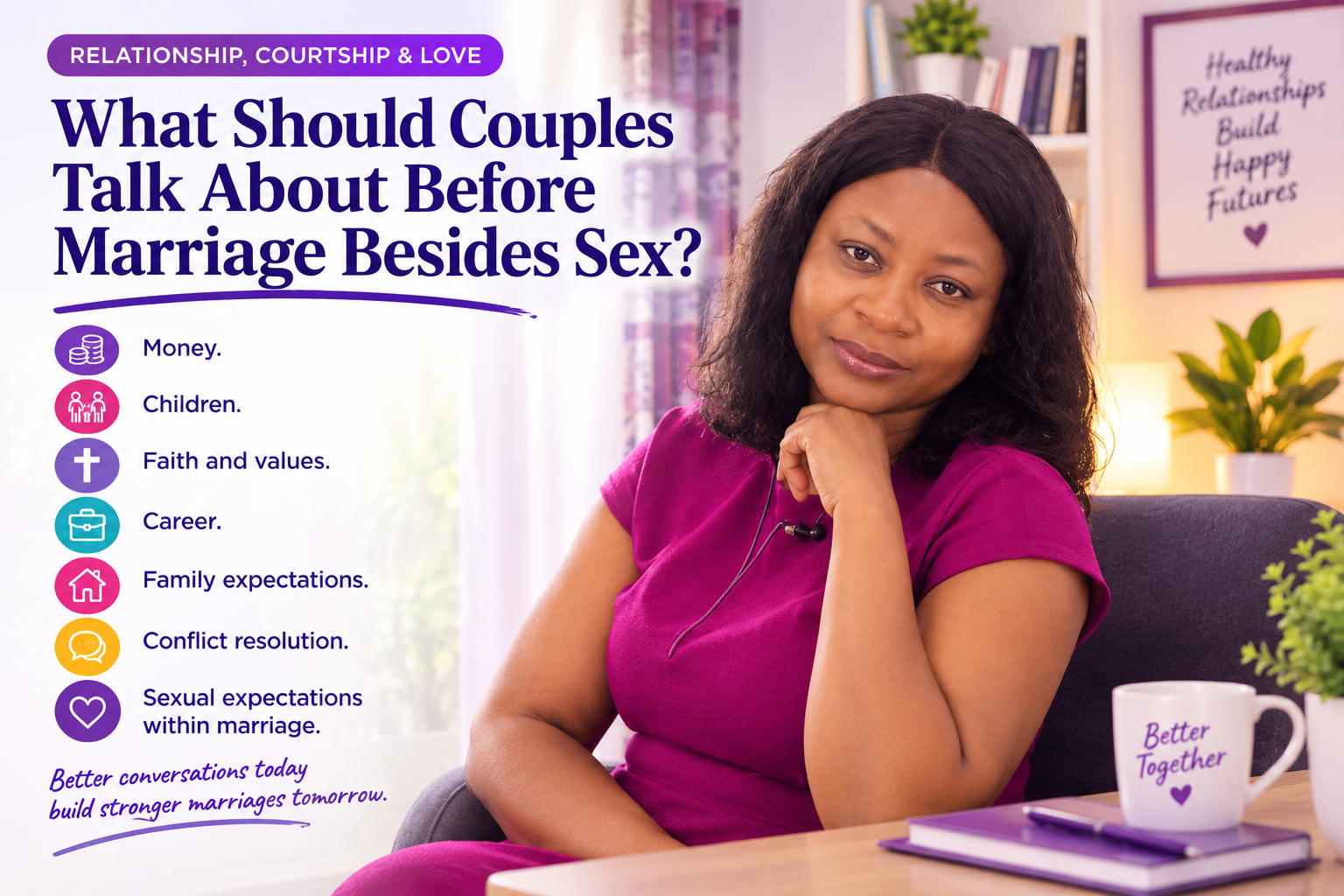
7 Essential Topics Couples Must Discuss Before Marriage (Beyond Physical Intimacy)
Entering a life-long partnership is one of the most exciting milestones standard in adult life. Whil...
Read More →