How Physical Affection Shapes Relationship Direction and Boundaries
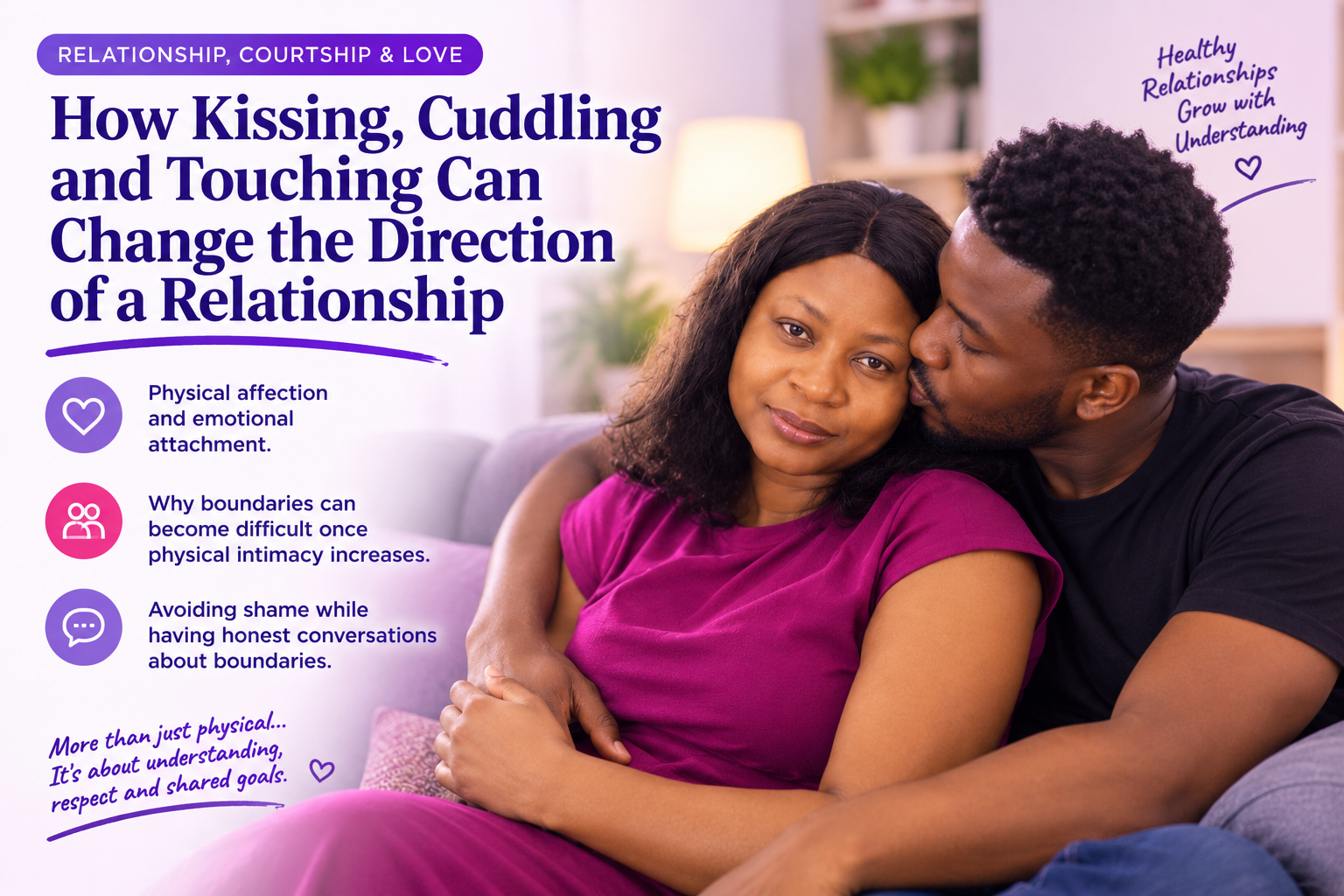
Physical affection—from a spontaneous kiss to a prolonged cuddle—is rarely "just physical." Touch carries an intricate language of chemical signals, emotional bids, and unspoken promises. While physical closeness can build immense intimacy between partners, it also fundamentally alters the trajectory of a relationship. Understanding how touch transforms emotional attachment, why boundaries get slippery as physical intimacy grows, and how to hold shame-free conversations is essential for navigating modern romance.
1. How Touch Redefines Emotional Attachment
Physical contact triggers a complex neurological reaction. When partners kiss, hold hands, or embrace, the brain releases oxytocin—often dubbed the "bonding hormone"—alongside dopamine and serotonin. This neurochemical cocktail lowers stress levels, increases feelings of safety, and creates a sense of deep familiarity.
As a result, touch acts as a relational accelerator:
Accelerated Trust: Physical warmth often leads the brain to signal safety before intellectual or emotional alignment is fully established.
Biased Perception: The rush of feel-good hormones can blind partners to red flags or fundamental incompatibilities, creating a sense of deep attachment before the relationship's foundation is built.
Heightened Vulnerability: Touch strips away self-protective layers, making both partners feel more emotionally exposed and interdependent.
2. Why Boundaries Become Blurry with Increased Intimacy
Establishing personal boundaries is straightforward in the early stages of dating, when intellectual distance provides clarity. However, as physical intimacy deepens, keeping those boundaries intact becomes significantly harder for several reasons:
Hormonal Blindspots: Oxytocin lowers self-preservation instincts, making it easy to say "yes" in the moment to actions, timelines, or commitments you might hesitate over when clear-minded.
Fear of Disconnection: Once a high level of physical closeness is established, enforcing a boundary can feel like taking a step backward. People often fear that slowing down or saying "no" will be interpreted as rejection or lack of interest.
The "Fuzzy Line" Dilemma: Physical intimacy exists on a spectrum. Unlike a binary decision, physical affection often escalates organically, making it difficult to pinpoint the exact moment a boundary is being crossed until after it happens.
3. Having Honest Conversations Without Shame
When boundaries need to be set, reset, or clarified, shame often enters the equation. One partner may feel guilty for wanting to slow down, while the other feels rejected or judged. Moving past shame requires intentional, compassionate communication:
Separate Rejection from Boundaries: Frame the conversation around personal needs rather than partner critique. Use "I" statements, such as: "I love being close to you, but I need us to take things a bit slower so I can stay emotionally grounded."
Normalize Changing Your Mind: Boundaries are not static. Acknowledging that it is healthy and normal for comfort levels to shift over time removes the pressure to stick to previous dynamics that no longer feel right.
Affirm the Emotional Bond: Reassure your partner that setting physical limits is not a withdrawal of affection. Express warmth verbally and through non-physical reassurance so both people feel secure.
Discuss Intentionality: Talk about what physical affection means to each of you. Is touch a expression of present enjoyment, or does it signify an implicit commitment toward the future? Aligning on expectations prevents misunderstandings down the road.
💬 Comments
No comments yet. Be the first to comment!
← Back to Blog📚 Related Articles
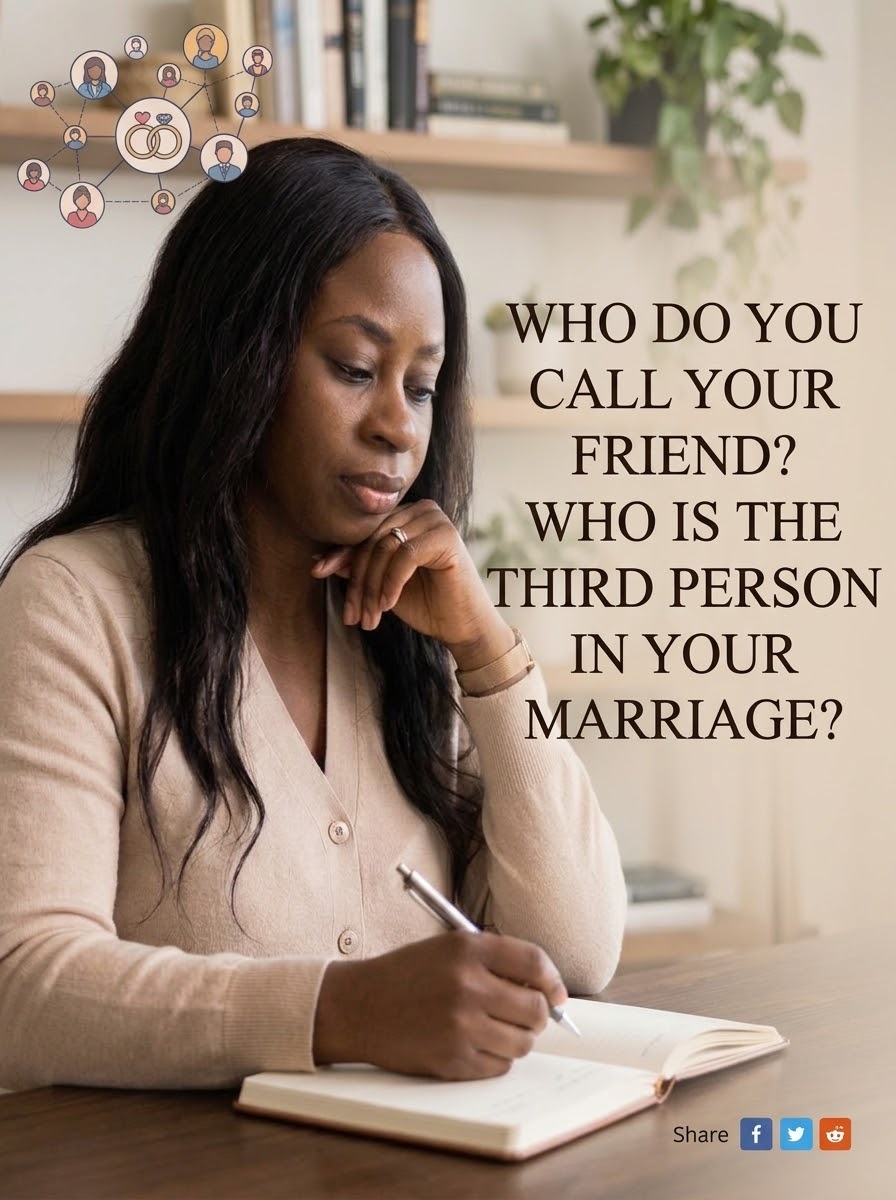
Who Do You Call Your Friend? Who Is the Third Person in Your Marriage?
Marriage is designed to bring two people together to build a life, share responsibilities, make deci...
Read More →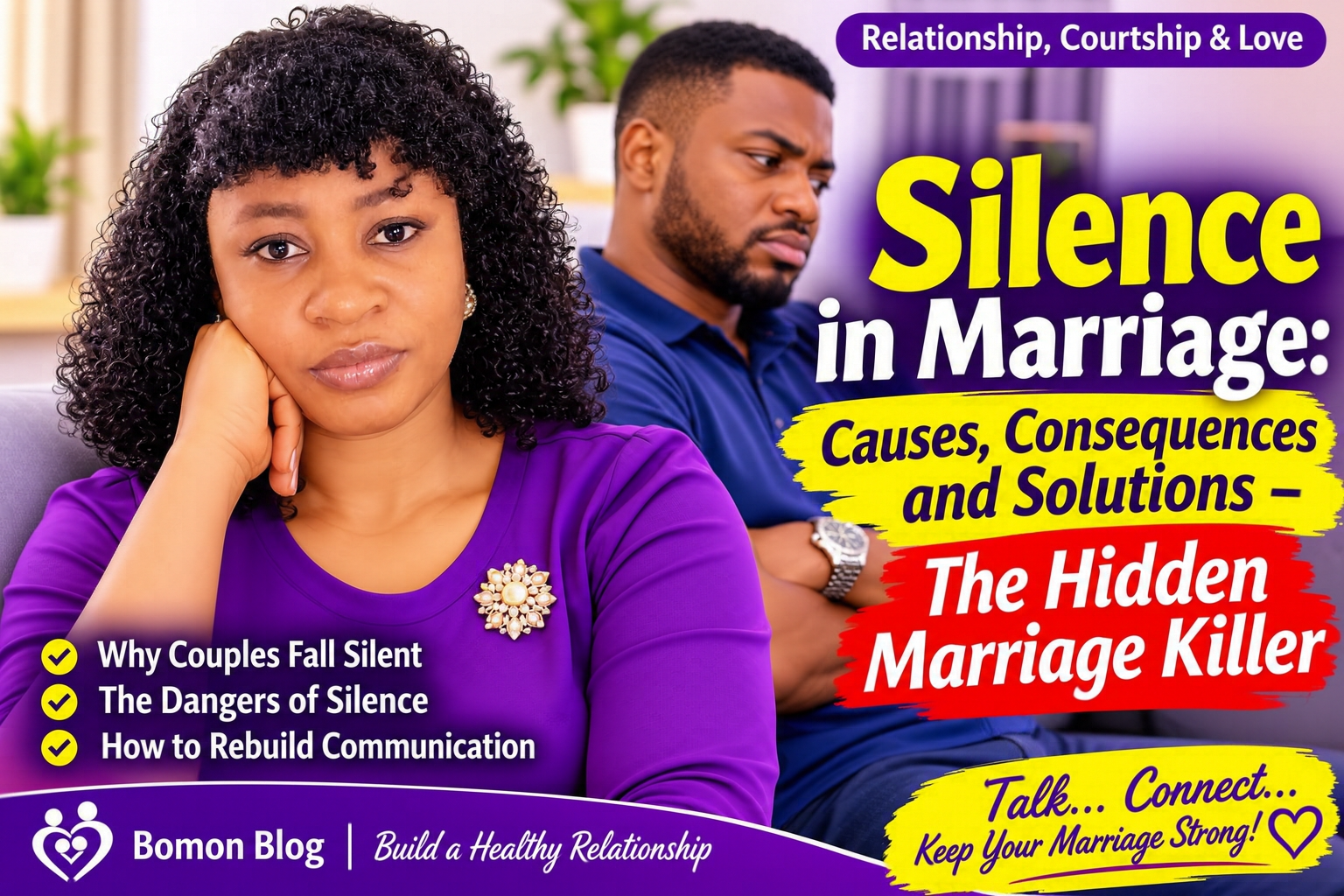
Silence in Marriage: Causes, Consequences and Solutions – The Hidden Marriage Killer
Silence in Marriage: Causes, Consequences and Solutions – The Hidden Marriage KillerMarriage is expe...
Read More →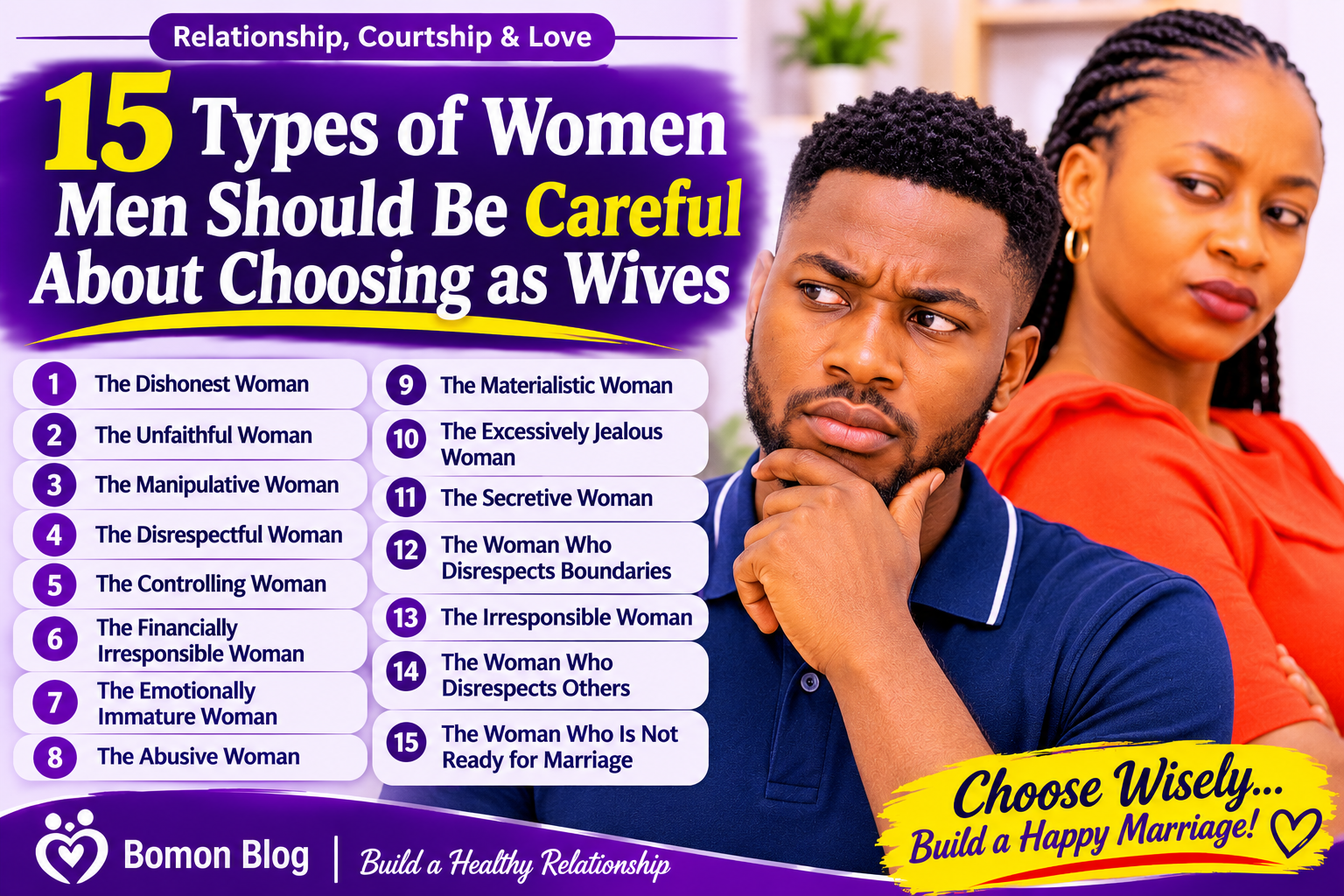
15 Types of Women Men Should Be Careful About Choosing as Wives
15 Types of Women Men Should Be Careful About Choosing as WivesMarriage is one of the most significa...
Read More →
15 Types of Men Women Should Be Careful About Choosing as Husbands
15 Types of Men Women Should Be Careful About Choosing as HusbandsMarriage is more than falling in l...
Read More →
When “We’ll Stop” Stops Working: Why Couples Cross Their Own Sexual Boundaries
Relationships built on clear values often run into a frustrating paradox: decision-making is clear i...
Read More →
7 Essential Topics Couples Must Discuss Before Marriage (Beyond Physical Intimacy)
Entering a life-long partnership is one of the most exciting milestones standard in adult life. Whil...
Read More →