When Affection Becomes Sexual: Understanding the Journey from Love to Sex Before Marriage

Love often begins quietly. Two people meet, become interested in each other, enjoy spending time together, and gradually develop emotional closeness. As the relationship grows, affection may naturally become part of how they express their feelings.
A hug may become a kiss. A kiss may become prolonged physical contact. Private conversations may become more intimate. Before long, a couple who once agreed to wait until marriage may find themselves struggling with boundaries they were once confident they could maintain.
This does not necessarily mean that their feelings were not genuine. It means that attraction, affection, emotional intimacy and sexual intimacy can become closely connected when a romantic relationship becomes increasingly physical.
Understanding how this happens can help couples make more deliberate decisions about their relationships and establish boundaries that reflect their values and intentions.
Attraction, Affection and Intimacy Are Not the Same Thing
One reason relationships can become confusing is that several different experiences can occur at the same time.
Attraction is the feeling of being drawn to someone. It may be physical, emotional, intellectual or a combination of these. Finding someone attractive does not automatically mean that a person wants a sexual relationship.
Affection is the expression of warmth, care and fondness. It can be expressed through words, hugs, holding hands, thoughtful gestures and other forms of physical or emotional closeness.
Emotional intimacy develops when two people become comfortable sharing their thoughts, fears, experiences, hopes and vulnerabilities with each other. It can create a powerful sense of connection.
Sexual intimacy involves sexual feelings, behaviour and physical closeness. Unlike ordinary affection, it carries a different level of physical and emotional involvement.
These experiences can overlap, but they are not identical. A couple can experience strong attraction without having sex. They can show affection without intending to become sexually intimate. They can also develop deep emotional intimacy while maintaining physical boundaries.
The important question is not simply whether two people love each other. It is whether their actions are consistent with the boundaries and values they have chosen for their relationship.
How Ordinary Affection Can Gradually Become Sexual
Relationships rarely move from a simple hug directly to sexual intercourse in one dramatic moment. For many couples, physical intimacy develops gradually.
It might begin with holding hands, sitting closely together or hugging. Over time, kissing may become part of the relationship. As the couple becomes more comfortable with physical contact, the level and duration of that contact may increase.
When couples spend significant amounts of private time together, especially in situations where there are few external boundaries, physical affection can become increasingly intimate.
This gradual progression can make it difficult for a couple to recognise when they have moved beyond the boundaries they originally intended to maintain.
That is why boundaries are often easier to maintain when they are established before a highly emotional or sexually charged situation occurs.
Why Couples Sometimes Cross Boundaries They Intended to Maintain
Many couples begin a relationship with clear intentions. They may sincerely decide that they will not have sex before marriage.
Yet good intentions alone do not always determine behaviour.
Several factors can make boundaries difficult to maintain.
1. Strong Physical Attraction
Romantic attraction can be powerful. When two people are strongly attracted to each other, physical closeness can create sexual excitement that makes previously established boundaries harder to remember or enforce.
2. Emotional Attachment
As a relationship deepens, partners may become increasingly emotionally dependent on each other. Physical intimacy can then feel like a natural extension of emotional closeness.
3. Privacy
Where and when couples spend time together can affect their decisions. Being alone for long periods, particularly in private environments, can create circumstances in which physical intimacy escalates.
4. Gradual Boundary Changes
A couple may decide that one particular behaviour is acceptable because it does not seem serious. Later, another behaviour becomes acceptable for the same reason.
One boundary can gradually lead to another.
The issue is not necessarily one particular act. It is the pattern of continually moving the boundary.
5. Pressure to Prove Love
Sometimes one partner may interpret physical intimacy as evidence of love or commitment.
Statements such as “If you really love me, you would…” can place unhealthy pressure on a partner.
Love should not require someone to violate a personal boundary in order to prove their feelings.
6. The Belief That Marriage Is Certain
Couples who believe they will eventually marry may reason that sex before marriage is not particularly significant because they already consider themselves committed.
However, intending to marry and actually being married are not the same thing. Marriage involves a formal commitment with responsibilities and consequences that dating or courtship does not necessarily provide.
When Affection Becomes Sexual
The transition from affection to sexual intimacy can sometimes happen almost unnoticed.
A couple may start with innocent physical affection. As they become more comfortable with each other, they may increase the level of physical contact. Eventually, one or both partners may become sexually aroused.
At that point, continuing to say “we will not have sex” without addressing the situations that repeatedly lead toward sex may not be enough.
This is where honest self-awareness becomes important.
Couples should ask themselves:
What situations make it difficult for us to maintain our boundaries?
Are we spending too much time alone in private places?
Have our physical boundaries gradually changed?
Are we comfortable saying no to each other?
Do we respect each other's boundaries without pressure?
Are our actions consistent with what we say we believe?
These questions are not about shame. They are about understanding behaviour and making intentional decisions.
Love Does Not Have to Be Proved Through Sex
One of the most important distinctions in a relationship is the difference between love and sexual expression.
Sex can be part of a loving relationship, but sexual activity is not the only evidence of love.
A person can demonstrate love through patience, honesty, respect, sacrifice, encouragement, faithfulness, responsibility and genuine concern for their partner's wellbeing.
Therefore, refusing sex does not necessarily mean refusing love.
A healthy relationship should allow both people to communicate their boundaries without fear of rejection, manipulation or emotional punishment.
Setting Boundaries Before the Moment
If a couple has decided to wait until marriage before having sex, it can be helpful to discuss specific boundaries rather than simply saying, “We will not have sex.”
For example, couples can discuss:
What forms of physical affection are comfortable for both people?
What situations should they avoid?
How much private time is appropriate?
What should they do when one person becomes uncomfortable?
How will they respond if their boundaries are tested?
Can either person say “stop” without being pressured?
Boundaries work best when both partners understand them and willingly respect them.
It is also important to remember that a boundary is not a tool for controlling another person. Each person remains responsible for their own choices.
If a Couple Has Already Crossed a Boundary
Crossing a boundary does not mean that a relationship must automatically end, nor does it mean that the people involved should be defined permanently by one decision.
What matters is what happens next.
A couple can acknowledge what happened, discuss what they actually want for the relationship, identify the circumstances that contributed to the situation and establish clearer boundaries going forward.
For couples whose decisions are influenced by religious beliefs, this may also involve seeking spiritual guidance consistent with their faith.
The goal should be honesty and responsible decision-making rather than hiding the situation because of fear or shame.
Conclusion
Affection is a natural part of many romantic relationships, but affection, attraction, emotional intimacy and sexual intimacy are not the same thing.
For couples who have chosen to wait until marriage before having sex, understanding how physical and emotional closeness can gradually become sexual can help them make better decisions.
The most important thing is intentionality.
Know what you want from the relationship. Communicate openly. Establish boundaries before difficult situations arise. Respect your partner's boundaries. And remember that genuine love is demonstrated in many ways beyond physical intimacy.
A relationship should not only answer the question, “How much do we love each other?”
It should also help both people answer, “What kind of relationship are we intentionally building together?”
💬 Comments
No comments yet. Be the first to comment!
← Back to Blog📚 Related Articles
Who Do You Call Your Friend? Who Is the Third Person in Your Marriage?
Marriage is designed to bring two people together to build a life, share responsibilities, make deci...
Read More →
Silence in Marriage: Causes, Consequences and Solutions – The Hidden Marriage Killer
Silence in Marriage: Causes, Consequences and Solutions – The Hidden Marriage KillerMarriage is expe...
Read More →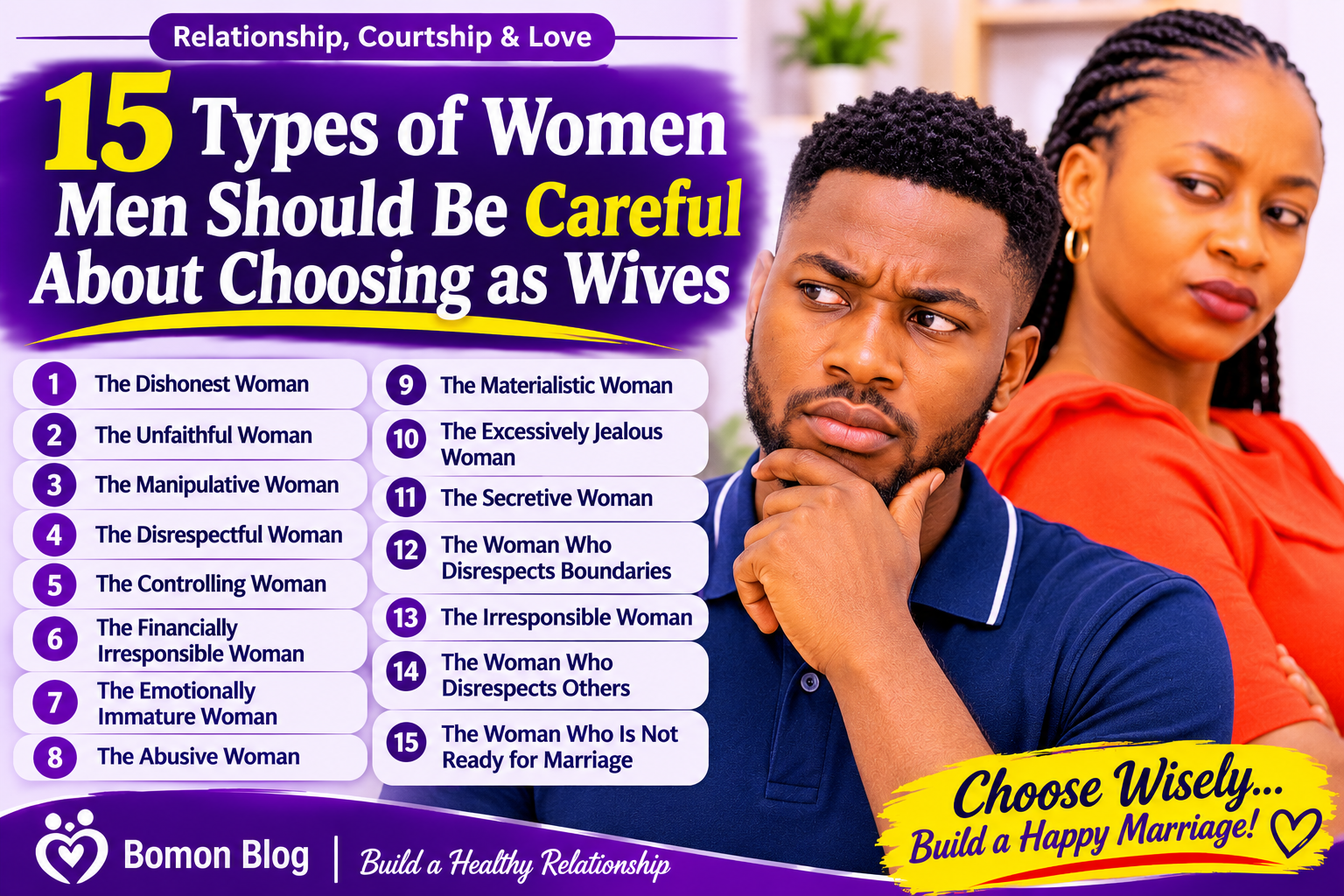
15 Types of Women Men Should Be Careful About Choosing as Wives
15 Types of Women Men Should Be Careful About Choosing as WivesMarriage is one of the most significa...
Read More →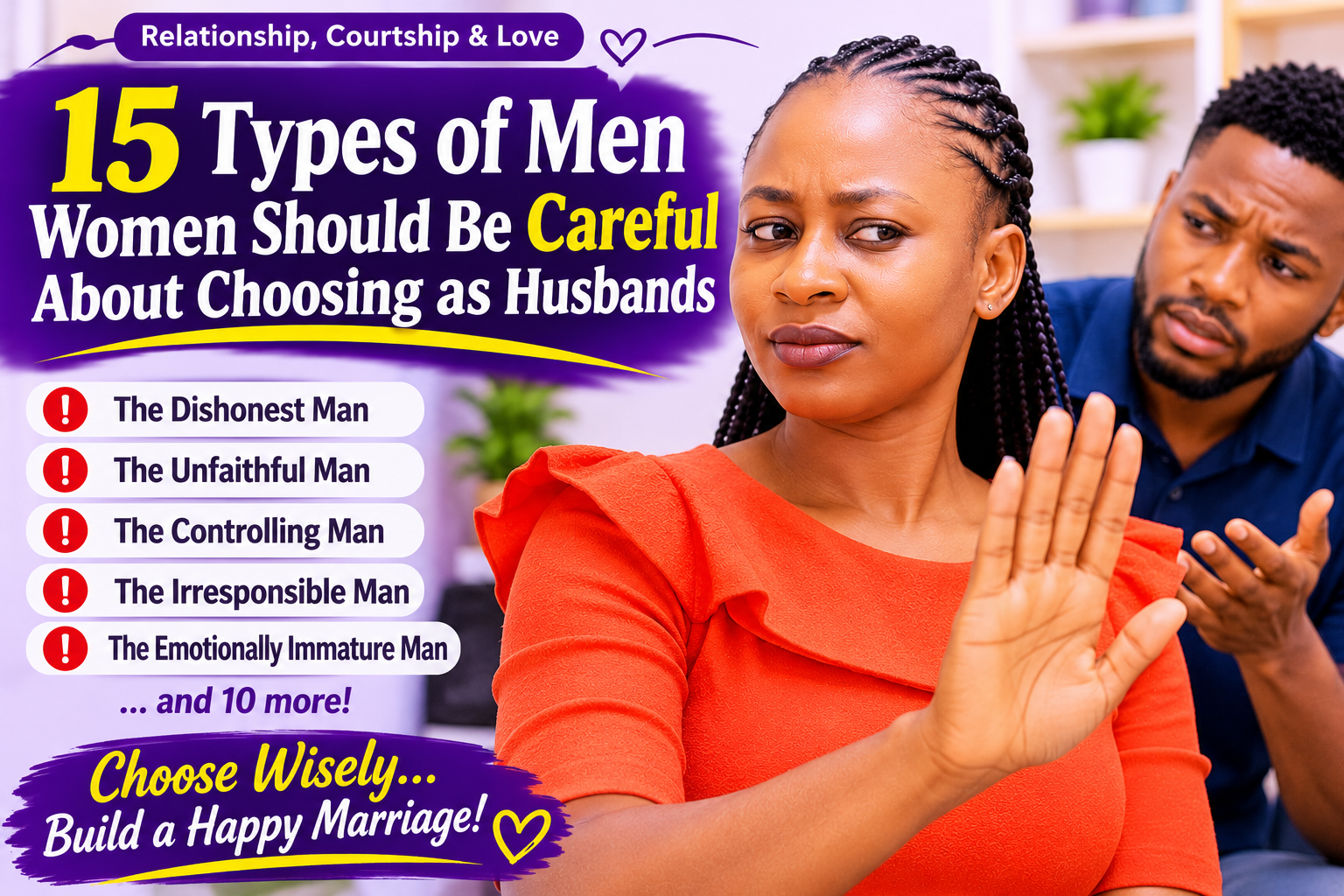
15 Types of Men Women Should Be Careful About Choosing as Husbands
15 Types of Men Women Should Be Careful About Choosing as HusbandsMarriage is more than falling in l...
Read More →
When “We’ll Stop” Stops Working: Why Couples Cross Their Own Sexual Boundaries
Relationships built on clear values often run into a frustrating paradox: decision-making is clear i...
Read More →
7 Essential Topics Couples Must Discuss Before Marriage (Beyond Physical Intimacy)
Entering a life-long partnership is one of the most exciting milestones standard in adult life. Whil...
Read More →