Essential Skills Every Professional Should Develop

The workplace is constantly changing, and professionals are expected to do more than simply have academic qualifications. Employers value people who can communicate clearly, solve problems, work effectively with others, manage their time, and adapt to new situations.
Whether you are starting your career, looking for a new opportunity, or already working in a professional environment, developing the right skills can improve your performance and create opportunities for career growth.
Here are some of the most important skills every professional should develop.
1. Communication Skills
Communication is one of the most important skills in any workplace.
Professionals need to communicate effectively with colleagues, managers, customers, and business partners.
Good communication includes:
Speaking clearly.
Writing professional emails and reports.
Listening carefully.
Explaining ideas effectively.
Asking appropriate questions.
Communicating respectfully.
Strong communication can prevent misunderstandings and improve teamwork.
2. Time Management
Professionals often have multiple responsibilities and deadlines.
Good time management helps you prioritize important tasks and complete your responsibilities without unnecessary stress.
Create a daily or weekly schedule, set priorities, avoid unnecessary distractions, and allocate enough time for important assignments.
Being able to manage your time effectively also demonstrates reliability.
3. Problem-Solving Skills
Every workplace experiences problems.
A valuable professional should be able to analyze a situation, identify possible causes, consider available solutions, and take appropriate action.
Instead of focusing only on the problem, develop the habit of asking:
What can I do to solve this?
Employers value people who can take initiative and contribute to solutions.
4. Teamwork
Most professionals work with other people.
Being able to cooperate with colleagues, share responsibilities, respect different opinions, and contribute to common goals is essential.
Good teamwork requires communication, patience, accountability, and mutual respect.
5. Adaptability
Workplaces and industries change constantly.
New responsibilities, organizational changes, economic conditions, and changing customer expectations can require professionals to adjust quickly.
Be willing to learn new things, take on new responsibilities, and adapt when circumstances change.
Adaptability can help you remain valuable throughout your career.
6. Leadership
Leadership is not only for managers and company executives.
A professional can demonstrate leadership by taking responsibility, helping colleagues, making good decisions, solving problems, and taking initiative.
Developing leadership skills early can prepare you for future management and supervisory responsibilities.
7. Emotional Intelligence
Emotional intelligence is the ability to understand and manage your emotions while also recognizing and responding appropriately to the emotions of others.
It can help you:
Handle workplace disagreements.
Communicate more effectively.
Build stronger professional relationships.
Respond calmly under pressure.
Understand different perspectives.
Professional environments require people to work with different personalities, making emotional intelligence extremely valuable.
8. Critical Thinking
Critical thinking helps professionals evaluate information before making decisions.
Instead of accepting every piece of information immediately, learn to examine evidence, identify assumptions, compare alternatives, and consider possible consequences.
This skill is particularly useful when making important business and professional decisions.
9. Networking
Building professional relationships can create opportunities for learning, collaboration, employment, and career growth.
Attend professional events, connect with people in your industry, participate in relevant communities, and maintain relationships with colleagues and former colleagues.
Good networking is about building genuine relationships rather than simply asking people for favors.
10. Negotiation Skills
Negotiation is useful in many professional situations.
You may need to negotiate a salary, project deadline, business agreement, price, responsibility, or workplace arrangement.
Good negotiation requires preparation, clear communication, patience, and the ability to understand the other person's position.
11. Presentation Skills
Professionals may be required to present ideas, reports, proposals, or projects.
Learn how to organize information clearly and communicate it confidently.
A good presentation should be understandable, relevant, and focused on the key message.
12. Financial Awareness
You do not need to be an accountant to understand basic financial concepts.
Professionals should understand important ideas such as budgeting, expenses, revenue, profit, savings, and financial planning.
Financial awareness can help you make better personal and professional decisions.
13. Customer Service
Even if your job does not involve direct sales, understanding customer needs is valuable.
Customers are essential to most organizations, and every department can contribute to customer satisfaction.
Learn how to listen to customers, understand their concerns, respond professionally, and provide solutions.
14. Professionalism
Professionalism involves how you conduct yourself at work.
It includes:
Punctuality.
Reliability.
Respect.
Honesty.
Appropriate communication.
Responsibility.
Accountability.
Proper workplace behavior.
Your professional reputation can influence how colleagues and employers perceive you.
15. Continuous Learning
Learning should not stop when you leave school.
Industries change, new practices emerge, and employers' expectations evolve.
Read, attend training programs, take relevant courses, learn from experienced professionals, and look for opportunities to improve your knowledge.
Continuous learning keeps your skills relevant.
16. Decision-Making
Professionals make decisions every day.
Develop the ability to gather relevant information, consider your options, evaluate potential consequences, and make informed decisions.
Do not be afraid to make decisions simply because there is some uncertainty. Learn to assess risks and act responsibly.
17. Self-Discipline
Discipline helps you remain productive even when you are not motivated.
Develop habits that help you complete your responsibilities consistently, meet deadlines, manage distractions, and stay focused on your goals.
A disciplined professional can often be trusted with greater responsibility.
18. Writing Skills
Strong writing is important in almost every profession.
You may need to write emails, proposals, reports, presentations, documentation, applications, or business correspondence.
Learn to communicate your ideas clearly, professionally, and concisely.
How to Develop These Skills
You do not need to develop every skill at once.
Start by identifying the areas where you need the most improvement. Then create a simple development plan.
For example:
Choose one skill to improve.
Learn the basic principles.
Practice the skill regularly.
Ask for feedback.
Apply the skill in real situations.
Review your progress.
Move on to another skill.
Consistent improvement is more effective than trying to master everything at the same time.
Conclusion
A successful professional career requires more than qualifications. Communication, teamwork, problem-solving, adaptability, leadership, time management, emotional intelligence, professionalism, and continuous learning can all contribute to long-term career success.
The good news is that these skills can be developed through practice and experience.
Start with one skill, improve it consistently, and gradually build a stronger professional skill set. The investment you make in yourself today can create better opportunities for your career tomorrow.
Bomon Technologies believes that professional development is an important part of building a successful career. By continuously improving your knowledge, skills, and professional habits, you can become more valuable in the workplace and better prepared for future opportunities.
💬 Comments
No comments yet. Be the first to comment!
← Back to Blog📚 Related Articles

Bootstrap and Templates for Developers: Build Websites Faster
Bootstrap and Templates for Developers: Build Websites FasterBuilding a website from scratch can tak...
Read More →
The Use of Technology to Wipe Off Local Techniques
Technology has become a major force in the development of modern society. It has changed the way peo...
Read More →
Implementing and Evaluating the Effectiveness of Zero Trust in Society
Technology has become an essential part of modern society. People use digital platforms for banking,...
Read More →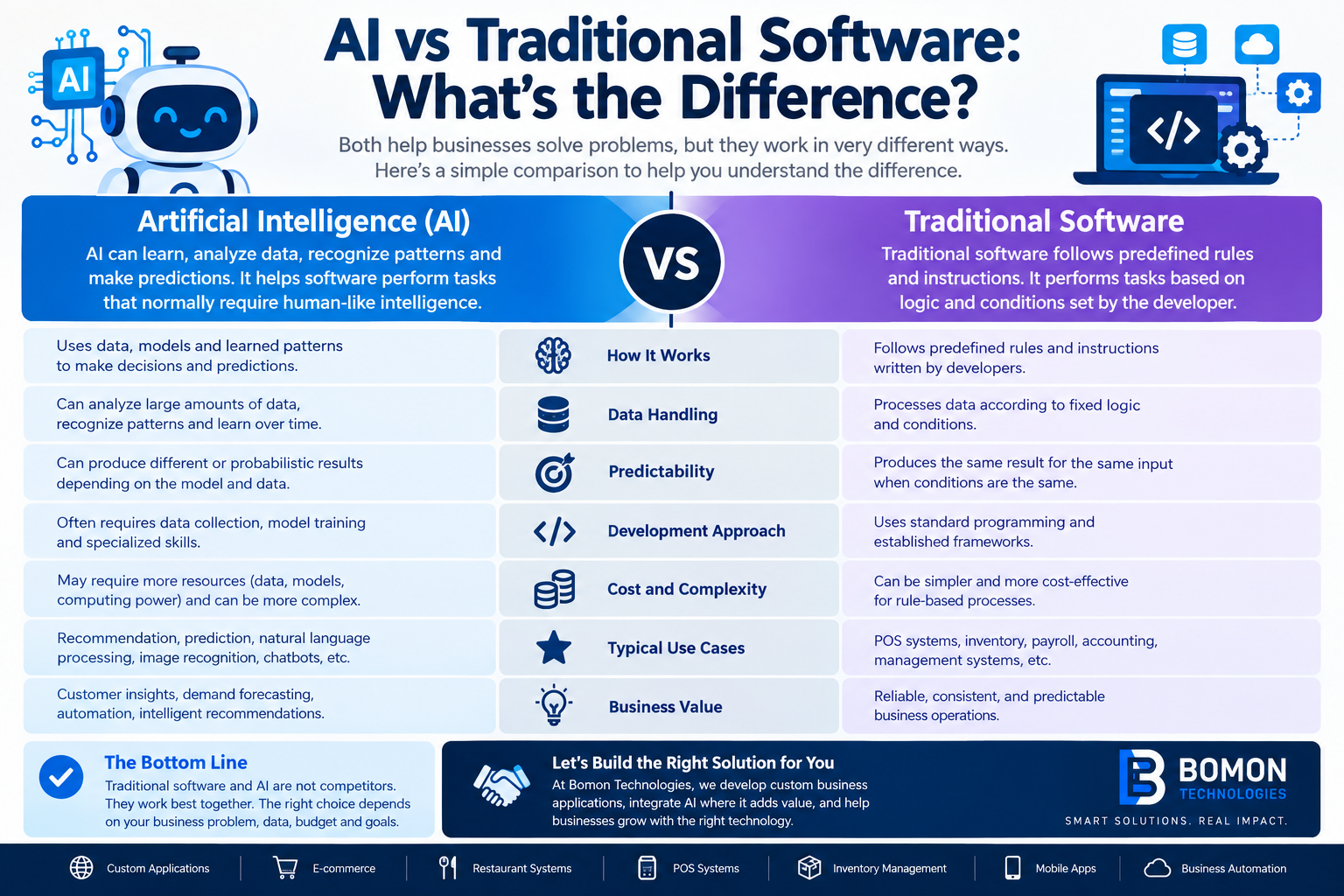
AI vs Traditional Software: What's the Difference?
Technology has changed the way businesses operate. Today, businesses can choose from traditional sof...
Read More →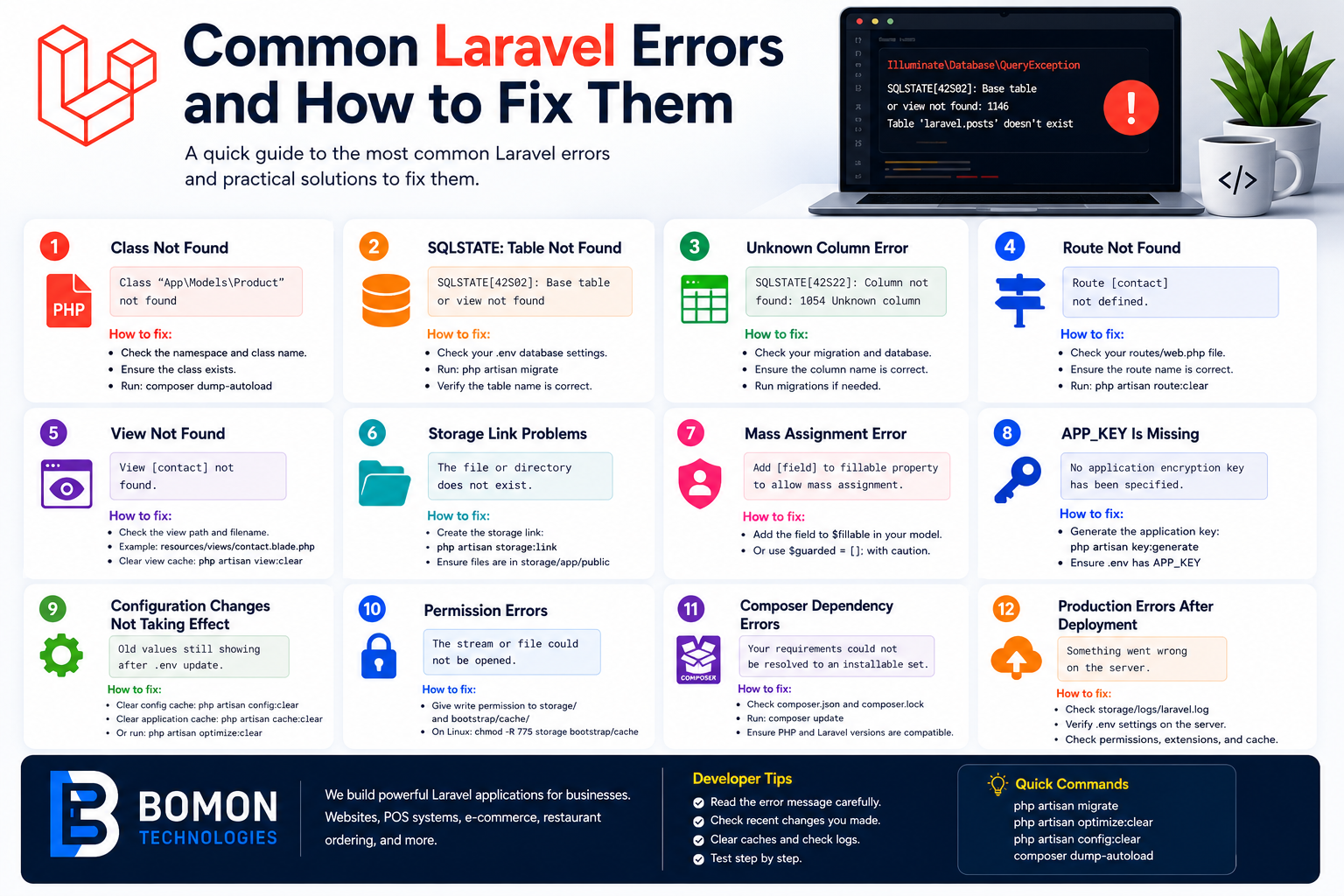
Common Laravel Errors and How to Fix Them
Laravel makes modern PHP application development faster and more structured. However, like any softw...
Read More →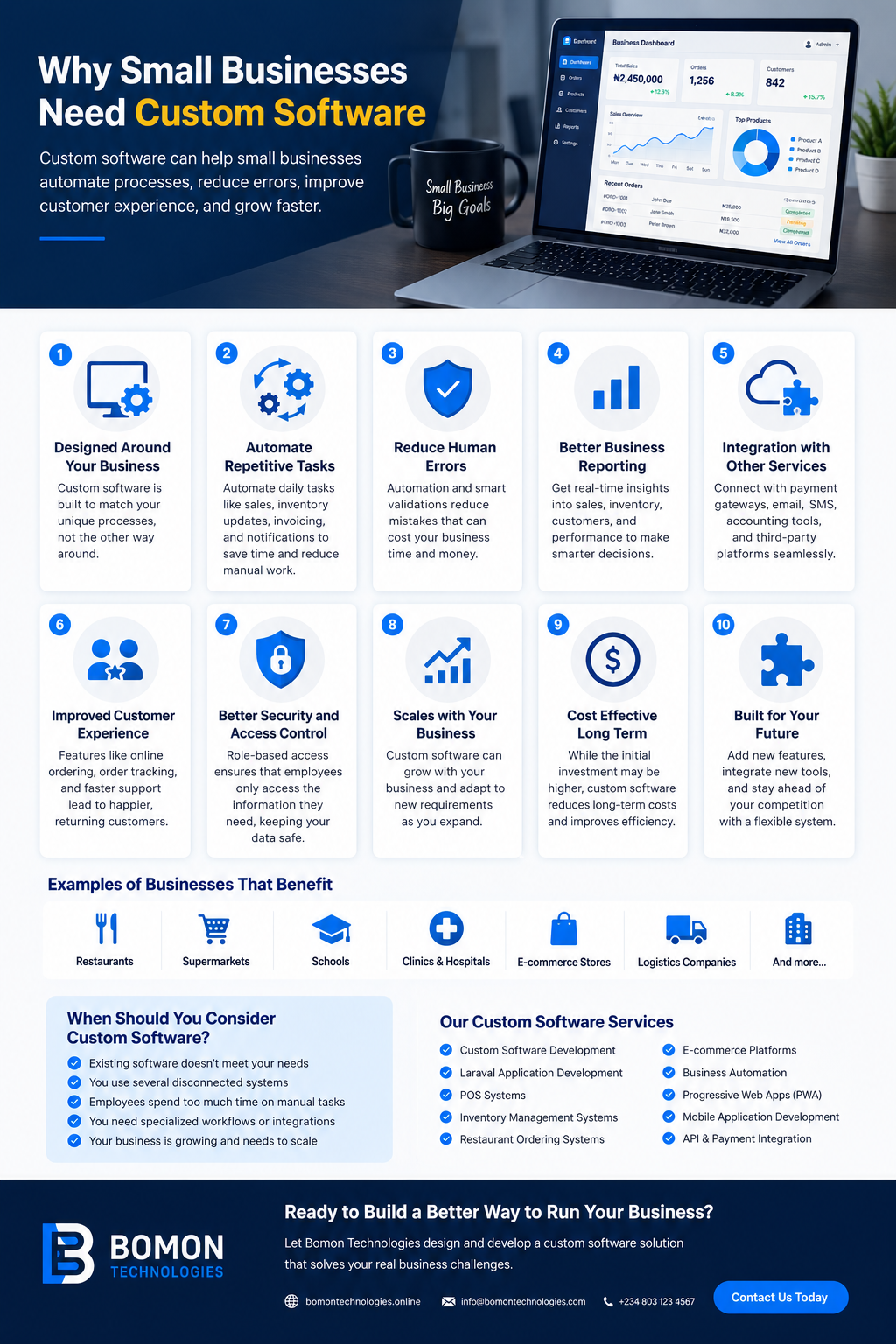
Why Small Businesses Need Custom Software
Small businesses are increasingly using technology to improve the way they operate. However, many bu...
Read More →