How We Build Secure Web Applications Using Laravel

Security is a core part of every modern web application. When building with Laravel, we don’t treat security as an afterthought—it is built into every layer of the system, from authentication to performance optimization.
In this article, we break down the key practices we use to ensure our Laravel applications remain secure, scalable, and reliable.
Authentication
Authentication is the process of verifying who a user is before granting access to the system.
With Laravel, we use built-in authentication tools such as Breeze, Jetstream, or Sanctum depending on the project type.
Passwords are securely hashed using
Hash::make()Sensitive routes are protected with login middleware
Email verification is enabled for critical applications
Admin access is separated from general users
This ensures that only legitimate users can access protected parts of the system.
Authorization
After authentication, we control what each user is allowed to do.
Laravel provides powerful tools like Gates and Policies to manage permissions cleanly and securely.
Role-based access control (Admin, Editor, User)
Policy-driven authorization for models
Middleware protection for sensitive routes
This ensures users can only access data and actions they are permitted to use.
Database Security
A secure application must also protect its data layer.
Use of Eloquent ORM instead of raw SQL queries
Protection against SQL injection through parameter binding
Secure storage of database credentials in
.envProper database user permissions (least privilege principle)
By avoiding raw queries and securing credentials, we significantly reduce database-related vulnerabilities.
Input Validation
User input is one of the most common attack vectors in web applications.
Validate inputs using
$request->validate()Use Form Request classes for reusable validation logic
Sanitize and limit data types, lengths, and formats
Validate file uploads strictly before storage
This ensures only clean and expected data enters the system.
Performance Optimization
A secure application must also be stable under load.
Cache frequently accessed data using
Cache::remember()Eager load relationships to avoid N+1 query issues
Queue heavy tasks like emails and reports
Optimize database queries and indexing
Good performance not only improves user experience but also reduces system abuse risks.
Conclusion
Building secure applications with Laravel is not about one feature—it is about consistent practices across all layers of the system.
Strong authentication
Strict authorization
Secure database handling
Robust input validation
Efficient performance design
Together, these practices ensure we build applications that are safe, scalable, and production-ready.
💬 Comments
No comments yet. Be the first to comment!
← Back to Blog📚 Related Articles
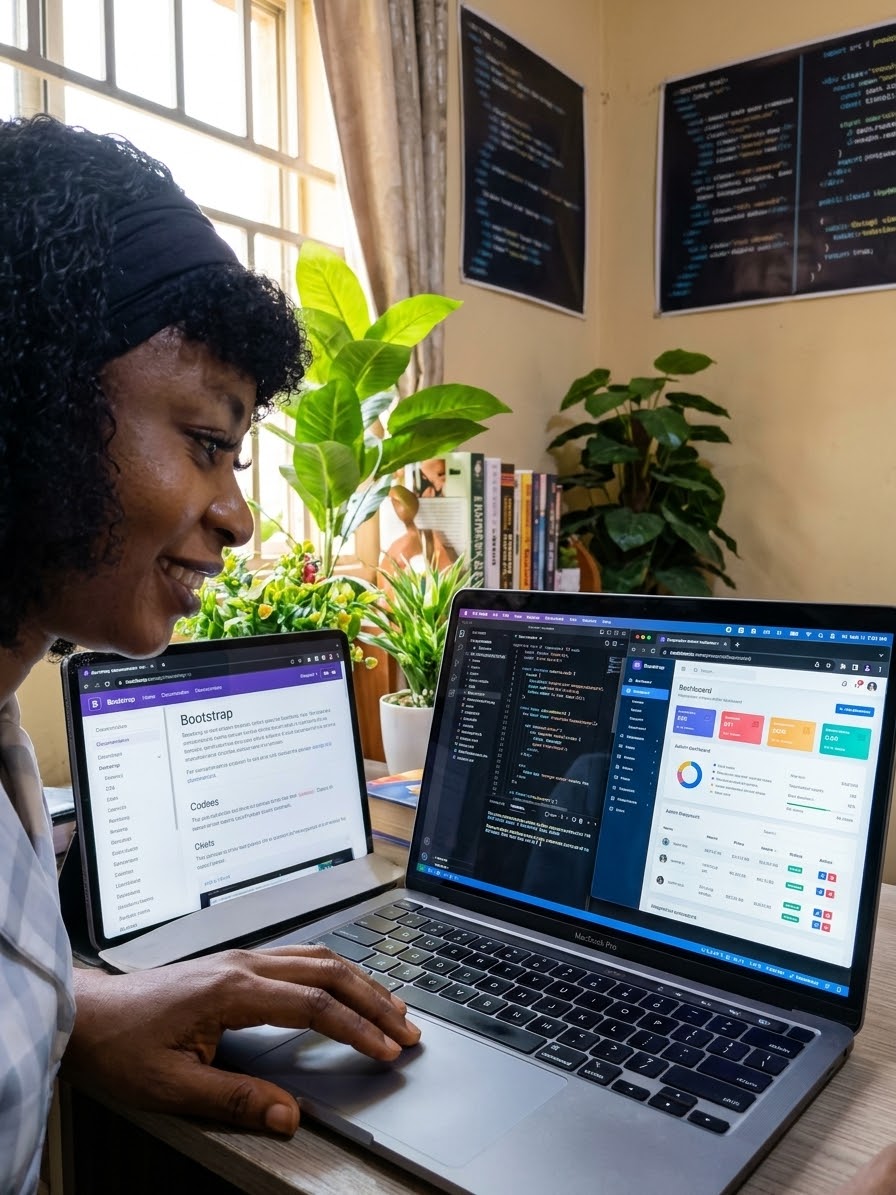
Bootstrap and Templates for Developers: Build Websites Faster
Bootstrap and Templates for Developers: Build Websites FasterBuilding a website from scratch can tak...
Read More →
The Use of Technology to Wipe Off Local Techniques
Technology has become a major force in the development of modern society. It has changed the way peo...
Read More →
Implementing and Evaluating the Effectiveness of Zero Trust in Society
Technology has become an essential part of modern society. People use digital platforms for banking,...
Read More →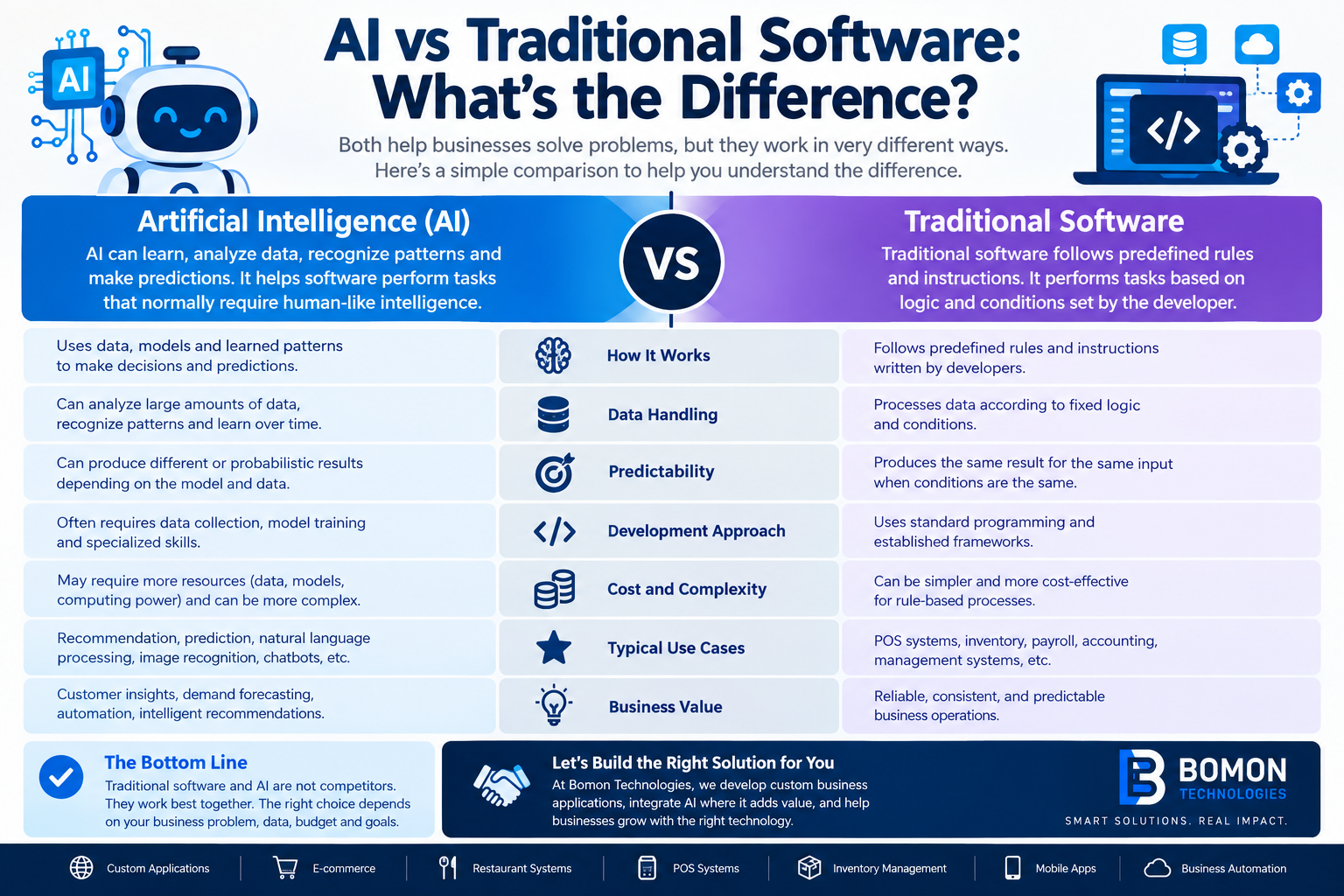
AI vs Traditional Software: What's the Difference?
Technology has changed the way businesses operate. Today, businesses can choose from traditional sof...
Read More →
Common Laravel Errors and How to Fix Them
Laravel makes modern PHP application development faster and more structured. However, like any softw...
Read More →
Essential Skills Every Professional Should Develop
The workplace is constantly changing, and professionals are expected to do more than simply have aca...
Read More →